Revolusi Fashion 2025: Bagaimana Teknologi Mengubah Wajah Dress Modern

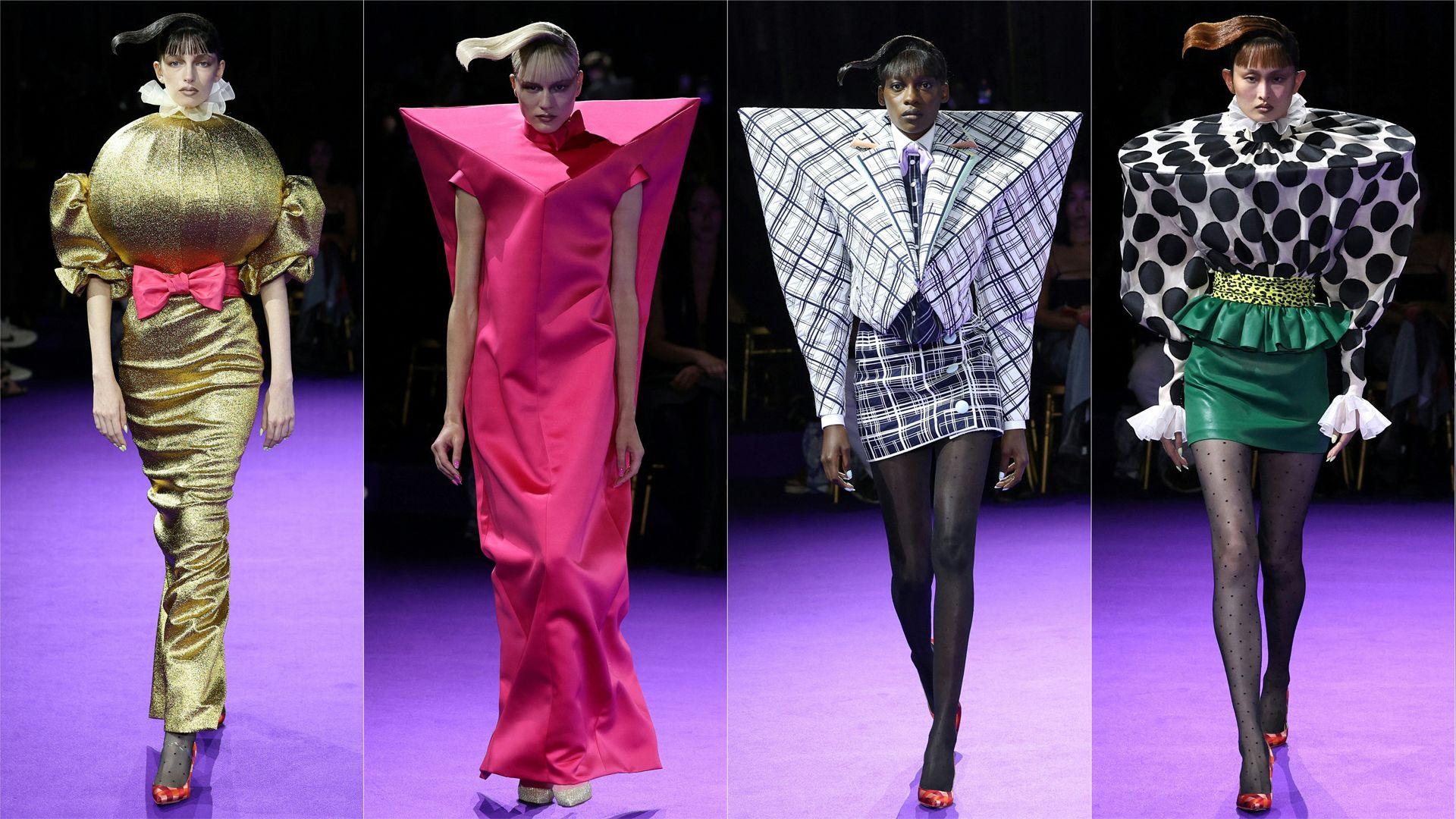
pascalaubier – Dunia fashion selalu berubah dan berkembang seiring dengan kemajuan teknologi. Tahun 2025 menjadi saksi bagaimana inovasi teknologi telah mengubah wajah fashion, khususnya dalam desain dan produksi dress. Teknologi tidak hanya mempengaruhi cara dress dibuat, tetapi juga bagaimana dress tersebut dikenakan dan dirasakan oleh penggunanya.

Smart Fabrics: Lebih dari Sekadar Pakaian

Salah satu inovasi terbaru yang paling menarik adalah penggunaan smart fabrics. Bahan pintar ini dilengkapi dengan teknologi yang dapat merespons perubahan lingkungan atau kondisi tubuh penggunanya. Misalnya, ada dress yang dapat mengubah warnanya sesuai dengan suhu tubuh atau lingkungan sekitar. Ada juga dress yang dilengkapi dengan sensor untuk memantau kesehatan penggunanya, seperti detak jantung dan tekanan darah.

3D Printing: Desain Tanpa Batas

Teknologi 3D printing juga telah merevolusi dunia fashion. Dengan teknologi ini, desainer jepang slot dapat menciptakan dress dengan detail yang sangat kompleks dan presisi tinggi. 3D printing memungkinkan pembuatan dress yang sebelumnya tidak mungkin dibuat dengan metode tradisional. Selain itu, teknologi ini juga mengurangi limbah produksi karena hanya menggunakan bahan yang benar-benar dibutuhkan.

Augmented Reality (AR) dan Virtual Reality (VR): Pengalaman Baru dalam Berbelanja

Augmented Reality (AR) dan Virtual Reality (VR) telah mengubah cara konsumen berinteraksi dengan produk fashion. Dengan AR, konsumen dapat mencoba dress secara virtual sebelum memutuskan untuk membelinya. Hal ini tidak hanya meningkatkan pengalaman berbelanja, tetapi juga mengurangi kemungkinan pengembalian produk karena ketidaksesuaian ukuran atau gaya.

Sustainability: Fashion yang Ramah Lingkungan

Tren sustainability juga semakin menguat di tahun 2025. Desainer dan produsen dress kini lebih fokus pada penggunaan bahan-bahan yang ramah lingkungan dan proses produksi yang berkelanjutan. Misalnya, ada dress yang terbuat dari bahan daur ulang atau bahan yang dapat terurai secara alami. Selain itu, teknologi juga memungkinkan produksi dress yang lebih efisien dan mengurangi dampak negatif terhadap lingkungan.

Teknologi telah membawa perubahan besar dalam dunia fashion, khususnya dalam desain dan produksi dress. Dari smart fabrics hingga 3D printing, dari AR/VR hingga sustainability, inovasi terbaru ini tidak hanya meningkatkan estetika dan fungsi dress, tetapi juga memberikan pengalaman baru bagi konsumen. Di tahun 2025, dress tidak lagi sekadar pakaian, tetapi juga menjadi bagian dari teknologi dan gaya hidup modern.
Anticipating the Fashion of the Next Decade

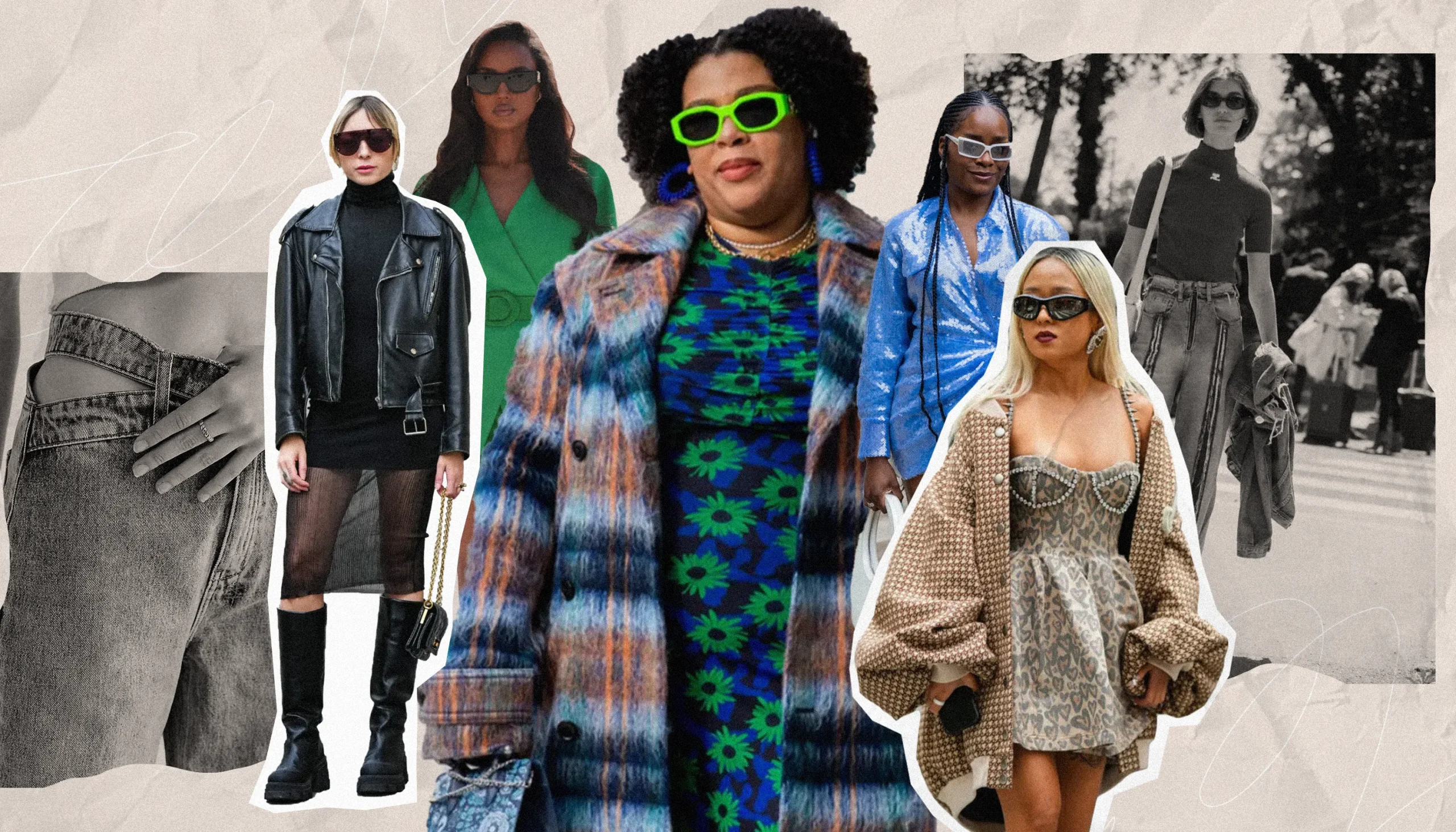
Fashion is an ever-evolving industry that reflects cultural shifts, technological advancements, and societal changes. As we look ahead to the next decade, several trends are poised to shape the future of fashion, from sustainability to technological integration. Here’s a deep dive into the key trends that are expected to dominate the fashion landscape in the coming years.

1. Sustainability and Ethical Fashion

Rise of Eco-Friendly Materials

The fashion industry is increasingly embracing sustainability. Consumers are becoming more conscious about the environmental impact of their clothing choices, leading to a demand for eco-friendly materials. Expect to see a surge in the use of organic cotton, recycled fabrics, and innovative materials like mushroom leather and lab-grown textiles.

Circular Fashion

The concept of circular fashion, which promotes the reuse and recycling of garments, will gain traction. Brands will focus on creating clothing that can be easily disassembled and recycled, reducing waste and promoting a more sustainable lifecycle.

Transparency and Ethical Practices

Consumers are demanding more transparency from brands regarding their supply chains. Ethical practices, fair wages, and humane working conditions will become non-negotiable standards. Brands that fail to adhere to these principles may face backlash from increasingly informed and conscientious consumers.

2. Technological Integration

Smart Textiles and Wearable Tech

The integration of technology into fashion is set to revolutionize the industry. Smart textiles that can monitor health, change color, or charge devices will become more mainstream. Wearable tech, such as smartwatches and fitness trackers, will continue to evolve, blending seamlessly with everyday fashion.

3D Printing

3D printing is expected to play a significant role in the future of fashion. This technology allows for the creation of custom, made-to-measure garments with minimal waste. Designers can experiment with intricate patterns and structures that were previously impossible to achieve with traditional methods.

Virtual and Augmented Reality

Virtual and augmented reality will transform the shopping experience. Virtual fitting rooms and AR apps will enable consumers to try on clothes digitally before making a purchase, reducing the need for physical stores and returns. Additionally, virtual fashion shows and digital collections will become more common, making fashion more accessible globally.

3. Personalization and Customization

Bespoke Clothing

Advancements in technology will make bespoke clothing more accessible. Consumers will have the ability to design their own garments, choosing everything from fabric to fit. This trend towards personalization will cater to the growing desire for unique, one-of-a-kind pieces.

Mass Customization

While bespoke clothing is tailored for individuals, mass customization allows for a personalized experience on a larger scale. Brands will offer customizable options within their collections, enabling consumers to tweak designs to their preferences without the premium price tag of bespoke fashion.

4. Inclusivity and Diversity

Body Positivity

The fashion industry is moving towards greater inclusivity. Brands are expanding their size ranges and showcasing diverse body types in their marketing campaigns. This shift not only reflects societal changes but also broadens the market for fashion brands.

Cultural Representation

Diversity in fashion will extend beyond body positivity. There will be a greater emphasis on cultural representation, with brands celebrating and incorporating different cultures and traditions into their designs. This inclusive approach will resonate with a global audience and foster a deeper connection with consumers.

5. Minimalism and Timeless Style

Capsule Wardrobes

The minimalist trend will continue to grow, with more consumers embracing capsule wardrobes. These collections of timeless, versatile pieces aim to reduce clutter and promote a more intentional approach to fashion.

Slow Fashion

Slow fashion, which emphasizes quality over quantity, will gain momentum. Consumers will invest in well-made, durable pieces that stand the test of time, moving away from the fast fashion mentality of disposable clothing.

Conclusion

The next decade in fashion promises to be an exciting blend of sustainability, technology, personalization, inclusivity, and minimalism. As brands and consumers alike adapt to these trends, the fashion industry will continue to evolve, reflecting the values and advancements of our time. The future of fashion is not just about what we wear, but how we wear it, and the impact our choices have on the world around us.

Some questions you may ask:
How do you think the rise of eco-friendly materials will impact traditional fashion brands?
Can you elaborate on some innovative materials like mushroom leather and lab-grown textiles?
What steps are brands taking to ensure transparency and ethical practices in their supply chains?