
Jasmine: The Princess Who Broke the Mold in “Aladdin” (1992)

pascalaubier.com – In the realm of animated princesses, few have been as groundbreaking as Jasmine from Disney’s “Aladdin,” released in 1992. This film, set in the mystical city of Agrabah, introduced audiences to a character who was not only a breath of fresh air in the world of animated royalty but also a symbol of female empowerment. Jasmine’s story is one of defiance, independence, and the quest for true love on her own terms.

A Princess Unlike Any Other

Jasmine’s introduction to the world was a departure from the traditional Disney princess mold. Unlike her predecessors, who were often defined by their roles as damsels in distress, Jasmine was a princess who sought to define herself outside the confines of her royal duties. Her story was not one of waiting for a prince to rescue her but rather of seeking her own path and voice in a world that sought to silence her.

Challenging Tradition

One of the most striking aspects of Jasmine’s character is her open defiance of the traditions that seek to control her life. In a world where princesses were expected to marry a prince to secure their future, Jasmine boldly rejects the law that requires her to marry a prince by her next birthday. Her refusal to be bound by these expectations sets her apart and makes her a trailblazer among Disney heroines.

A Voice for Independence

Jasmine’s quest for independence is a central theme throughout “Aladdin.” Her desire to make her own choices and live her life on her terms is a powerful message that resonates with audiences. Her iconic song, “A Whole New World,” sung with Aladdin as they soar through the skies, is not just a celebration of their budding romance but also a metaphor for her longing for freedom and a life beyond the palace walls.

A Symbol of Empowerment

Jasmine’s character has been celebrated for its empowering message to young girls and women. She is a symbol of strength, intelligence, and the importance of self-determination. Her journey from a princess confined by her role to a young woman who takes control of her destiny is inspiring and has paved the way for future Disney heroines who also seek to break free from traditional expectations.

Legacy

Since her debut in 1992, Jasmine has become an iconic figure in the Disney universe. Her impact as a character who challenged the status quo and championed female empowerment has endured. Through various adaptations and appearances, Jasmine continues to inspire new generations, reminding them that they too can break the mold and define their own paths.

In conclusion, Jasmine from “Aladdin” is more than just a Disney princess; she is a symbol of defiance, independence, and empowerment. Her legacy is a testament to the power of storytelling to inspire change and challenge traditional norms. As audiences continue to celebrate her character, Jasmine remains a beacon of hope and a reminder that anyone can break free from the expectations that seek to define them.
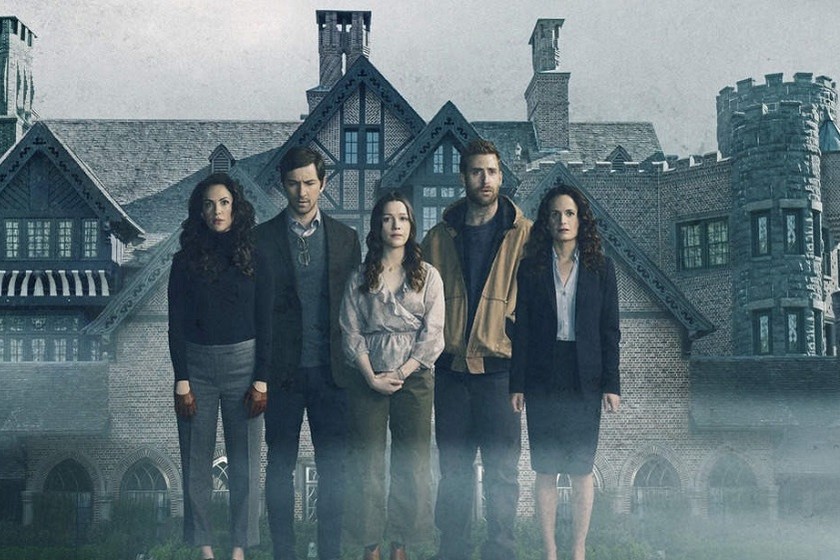
A Timeless Tale of Terror: The Haunting of Hill House Revisited

pascalaubier.com – In the realm of horror literature, few stories have left as indelible a mark as Shirley Jackson’s “The Haunting of Hill House.” First published in 1959, this novel has not only stood the test of time but has also grown in stature, influencing countless writers and filmmakers. Its exploration of the supernatural, the psychological, and the deeply personal has made it a cornerstone of the genre. As we revisit “The Haunting of Hill House,” we delve into what makes it a timeless tale of terror and its enduring impact on popular culture.

The Story That Unsettles

At its core, “The Haunting of Hill House” is the story of four individuals who come together to investigate the paranormal activities in a notorious mansion. The narrator, Eleanor, joins Dr. Montague, a paranormal researcher; Theodora, a young woman with psychic abilities; and Luke, the heir to Hill House, in an attempt to uncover the secrets of the haunted estate. What unfolds is a masterclass in suspense, as Jackson skillfully blurs the lines between the supernatural and the psychological, leaving readers to question the true source of Eleanor’s terror.

The Mastery of Atmosphere

One of Jackson’s greatest achievements in “The Haunting of Hill House” is her creation of an atmosphere that is as unsettling as it is compelling. The mansion itself is a character, with its creaking floors, locked rooms, and eerie sounds. Jackson’s detailed descriptions bring Hill House to life, making it a place that readers can vividly imagine and fear. The author’s use of the uncanny, the feeling of something being both familiar and deeply wrong, pervades the novel, creating a sense of unease that lingers long after the last page is turned.

The Psychological Depth

Beyond the supernatural elements, “The Haunting of Hill House” is a profound exploration of the human psyche. Eleanor’s descent into madness is depicted with a sensitivity and depth that elevate the novel beyond a simple ghost story. Jackson delves into themes of isolation, the longing for connection, and the haunting of one’s own past, making the terror of Hill House as much internal as it is external. This psychological depth adds layers to the horror, making the novel resonate on a deeply personal level.

The Legacy

Since its publication, “The Haunting of Hill House” has become a seminal work in the horror genre. Its influence can be seen in countless books, films, and television shows that have sought to capture its unique blend of the supernatural and the psychological. The novel’s enduring popularity is a testament to its timeless themes and the universal fear of the unknown.

In recent years, “The Haunting of Hill House” has experienced a resurgence in popularity, thanks in part to the critically acclaimed Netflix series inspired by the novel. This adaptation, which takes significant liberties with the source material, has introduced a new generation to Jackson’s haunting tale, further cementing its place in the cultural zeitgeist.

Conclusion

“The Haunting of Hill House” remains a landmark in horror literature, a novel that continues to captivate and terrify readers more than half a century after its initial publication. Shirley Jackson’s masterful storytelling, her creation of an unforgettable atmosphere, and her deep psychological insights have ensured that her tale of terror will haunt readers for generations to come. As we revisit “The Haunting of Hill House,” we are reminded of the power of storytelling to explore the darkest corners of the human experience and the enduring appeal of a good ghost story.