The Timeless Delight of Cheesecake: History and Flavors

pascalaubier.com – Cheesecake, a dessert that has captivated palates for centuries, is not just a sweet treat but a culinary journey through time and culture. This article explores the origins, evolution, and enduring appeal of this beloved dessert.

Origins and History

The earliest known cheesecake was created by the ancient Greeks on the island of Samos over 4,000 years ago in the fifth century BC. Initially, these early cheesecakes were more like a cheese pudding, made with wheat flour, honey, and cheese. The recipe evolved over the centuries, with the Romans introducing the concept of a crust, which became a staple in later versions of cheesecake.

Ingredients and Preparation

Modern cheesecake is typically made with a combination of soft cheese, eggs, sugar, and flavorings. The base can be a crust made from crushed cookies or digestive biscuits, which adds a delightful crunch to the creamy filling. The Philadelphia cheesecake recipe, for instance, highlights a smooth and creamy texture without the need for a water bath, making it a favorite among home bakers.

Varieties and Flavors

Cheesecake has evolved into a vast array of flavors and styles, each appealing to different tastes and occasions. Traditional flavors include New York-style, which is rich and dense, and the lighter, more delicate French cheesecake. More contemporary variations include chocolate, strawberry, and even savory cheesecakes, showcasing the versatility of this dessert.

Cultural Significance

Cheesecake is not just a dessert; it’s a cultural icon. In the United States, it has become a staple at celebrations and gatherings, often symbolizing comfort and indulgence. Its popularity has also led to the creation of cheesecake-themed cafes and bakeries, where patrons can enjoy a vast selection of cheesecake flavors and variations.

Conclusion

From its ancient origins to its modern-day adaptations, cheesecake remains a timeless delight. Its enduring appeal lies in its simplicity, versatility, and the sheer pleasure it brings to those who savor it. Whether enjoyed as a classic dessert or a modern twist, cheesecake continues to be a cherished part of culinary traditions around the world.

This exploration of cheesecake highlights not only its historical significance but also its place in contemporary culture, making it a dessert that transcends time and continues to enchant taste buds everywhere.
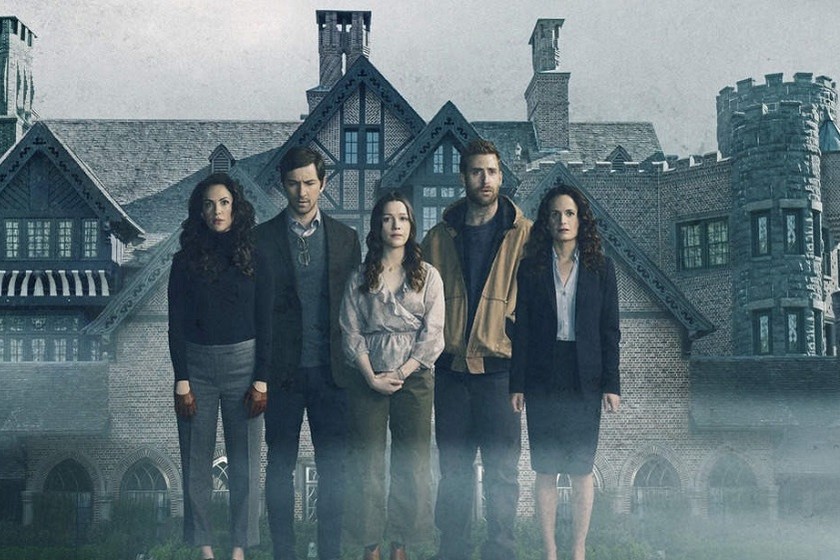
A Timeless Tale of Terror: The Haunting of Hill House Revisited

pascalaubier.com – In the realm of horror literature, few stories have left as indelible a mark as Shirley Jackson’s “The Haunting of Hill House.” First published in 1959, this novel has not only stood the test of time but has also grown in stature, influencing countless writers and filmmakers. Its exploration of the supernatural, the psychological, and the deeply personal has made it a cornerstone of the genre. As we revisit “The Haunting of Hill House,” we delve into what makes it a timeless tale of terror and its enduring impact on popular culture.

The Story That Unsettles

At its core, “The Haunting of Hill House” is the story of four individuals who come together to investigate the paranormal activities in a notorious mansion. The narrator, Eleanor, joins Dr. Montague, a paranormal researcher; Theodora, a young woman with psychic abilities; and Luke, the heir to Hill House, in an attempt to uncover the secrets of the haunted estate. What unfolds is a masterclass in suspense, as Jackson skillfully blurs the lines between the supernatural and the psychological, leaving readers to question the true source of Eleanor’s terror.

The Mastery of Atmosphere

One of Jackson’s greatest achievements in “The Haunting of Hill House” is her creation of an atmosphere that is as unsettling as it is compelling. The mansion itself is a character, with its creaking floors, locked rooms, and eerie sounds. Jackson’s detailed descriptions bring Hill House to life, making it a place that readers can vividly imagine and fear. The author’s use of the uncanny, the feeling of something being both familiar and deeply wrong, pervades the novel, creating a sense of unease that lingers long after the last page is turned.

The Psychological Depth

Beyond the supernatural elements, “The Haunting of Hill House” is a profound exploration of the human psyche. Eleanor’s descent into madness is depicted with a sensitivity and depth that elevate the novel beyond a simple ghost story. Jackson delves into themes of isolation, the longing for connection, and the haunting of one’s own past, making the terror of Hill House as much internal as it is external. This psychological depth adds layers to the horror, making the novel resonate on a deeply personal level.

The Legacy

Since its publication, “The Haunting of Hill House” has become a seminal work in the horror genre. Its influence can be seen in countless books, films, and television shows that have sought to capture its unique blend of the supernatural and the psychological. The novel’s enduring popularity is a testament to its timeless themes and the universal fear of the unknown.

In recent years, “The Haunting of Hill House” has experienced a resurgence in popularity, thanks in part to the critically acclaimed Netflix series inspired by the novel. This adaptation, which takes significant liberties with the source material, has introduced a new generation to Jackson’s haunting tale, further cementing its place in the cultural zeitgeist.

Conclusion

“The Haunting of Hill House” remains a landmark in horror literature, a novel that continues to captivate and terrify readers more than half a century after its initial publication. Shirley Jackson’s masterful storytelling, her creation of an unforgettable atmosphere, and her deep psychological insights have ensured that her tale of terror will haunt readers for generations to come. As we revisit “The Haunting of Hill House,” we are reminded of the power of storytelling to explore the darkest corners of the human experience and the enduring appeal of a good ghost story.