Festival di Jepang: Merayakan Warisan Budaya yang Beragam

pascalaubier – Jepang dikenal sebagai negara yang kaya akan warisan budaya dan tradisi yang telah berlangsung selama berabad-abad. Salah satu aspek penting dari budaya Jepang adalah festival atau yang dikenal dengan istilah matsuri. Setiap tahun, Jepang menjadi tuan rumah bagi berbagai festival yang mencerminkan keindahan, spiritualitas, dan rasa kebersamaan masyarakatnya. Berikut adalah beberapa festival utama yang merayakan warisan budaya yang beragam di Jepang.

1. Hanami: Keindahan Bunga Sakura
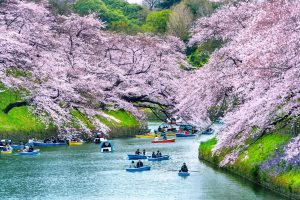
festival-di-jepang-merayakan-warisan-budaya-yang-beragam

Hanami adalah tradisi yang terkenal di Jepang yang berlangsung selama musim semi. Kata hanami sendiri berarti “melihat bunga.” Festival ini ditandai dengan aktivitas menikmati keindahan bunga sakura yang bermekaran. Selama hanami, masyarakat Jepang berkumpul di taman-taman yang penuh dengan pohon sakura dan mengadakan piknik bersama keluarga dan teman. Tradisi ini tidak hanya menunjukkan kecintaan terhadap alam, tetapi juga memberikan kesempatan untuk bersyukur dan merayakan kehidupan.

2. Gion Matsuri: Warisan Kyoto yang Bersejarah
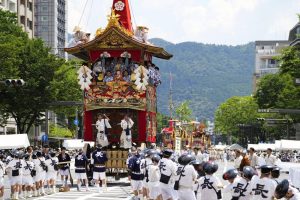
festival-di-jepang-merayakan-warisan-budaya-yang-beragam

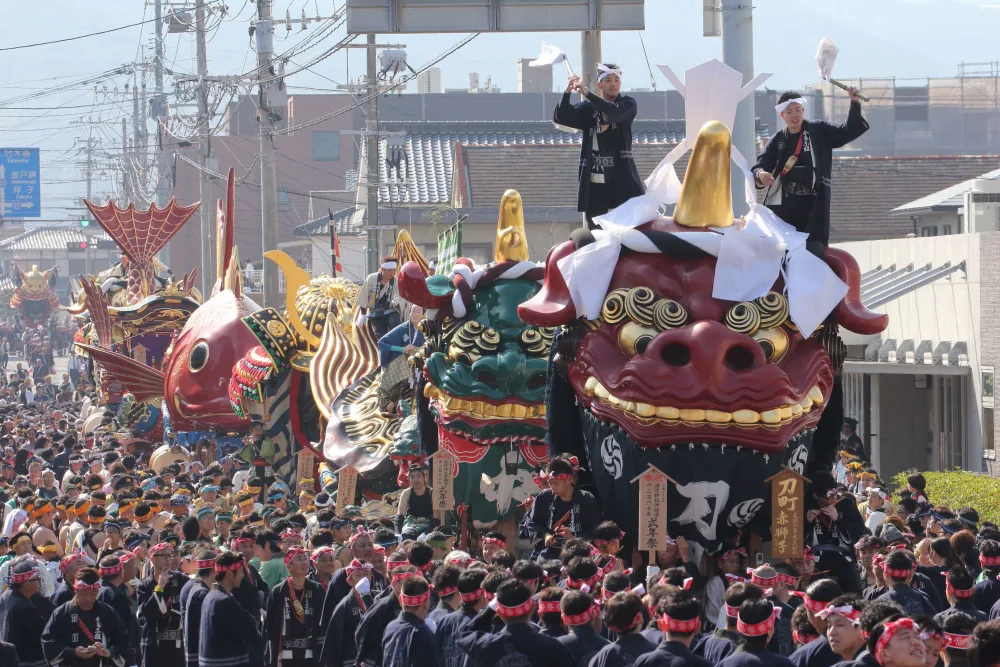
Gion Matsuri adalah salah satu festival terbesar dan tertua di Jepang yang diadakan setiap bulan Juli di Kyoto. Festival ini berasal dari abad ke-9 dan awalnya diadakan untuk menenangkan para dewa selama masa bencana alam dan penyakit. Gion Matsuri terkenal dengan parade yang spektakuler yang disebut Yamaboko Junko, di mana sejumlah kereta hias besar bernama yamahoko ditarik oleh masyarakat. Festival ini mencerminkan budaya dan sejarah Kyoto yang kaya serta menonjolkan seni tradisional Jepang.

3. Tanabata: Kisah Cinta Legendaris
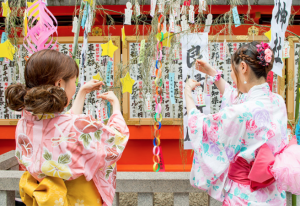
festival-di-jepang-merayakan-warisan-budaya-yang-beragam

https://www.digiverseinstitute.com/ Festival Tanabata atau “Festival Bintang” diadakan setiap tanggal 7 Juli dan didasarkan pada legenda klasik Tiongkok yang menceritakan kisah cinta antara dewi penenun Orihime dan dewa gembala Hikoboshi. Selama Tanabata, masyarakat menulis harapan mereka pada selembar kertas berwarna yang disebut tanzaku, kemudian menggantungnya pada pohon bambu. Festival ini tidak hanya melambangkan cinta dan harapan, tetapi juga menghormati kekuatan alam dan alam semesta.

4. Obon: Menghormati Arwah Leluhur
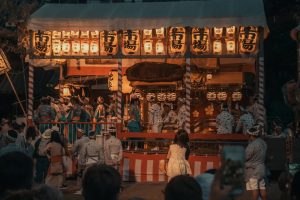
festival-di-jepang-merayakan-warisan-budaya-yang-beragam

Obon adalah salah satu festival spiritual yang paling penting di Jepang. Biasanya dirayakan pada bulan Agustus, Obon adalah waktu bagi masyarakat Jepang untuk mengenang dan menghormati arwah leluhur mereka. Selama festival ini, keluarga biasanya berkumpul untuk membersihkan makam leluhur, mengadakan upacara doa, dan menyalakan lentera yang dikenal dengan nama tōrō nagashi. Lentera tersebut kemudian dihanyutkan ke sungai atau laut sebagai simbol penerangan bagi roh-roh yang kembali ke dunia.

5. Awa Odori: Tarian Tradisional yang Meriah
festival-di-jepang-merayakan-warisan-budaya-yang-beragam

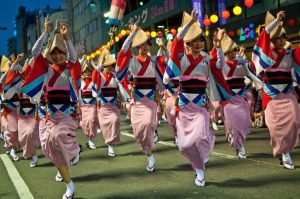
Festival Awa Odori adalah bagian dari rangkaian Obon yang terkenal dengan tarian tradisionalnya. Festival ini diadakan di Tokushima dan menarik ribuan wisatawan dari seluruh Jepang maupun mancanegara. Dalam festival ini, para penari berpakaian tradisional mengenakan yukata dan menghibur para penonton dengan gerakan tarian yang dinamis serta iringan musik tradisional. Awa Odori mencerminkan kegembiraan dan kebersamaan masyarakat dalam merayakan hidup dan menghormati arwah leluhur.

6. Kanda Matsuri: Kebanggaan Edo di Tengah Tokyo
festival-di-jepang-merayakan-warisan-budaya-yang-beragam

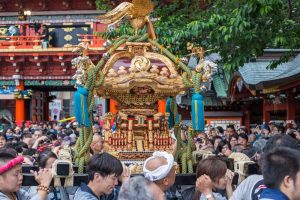
Kanda Matsuri adalah salah satu dari tiga festival terbesar di Tokyo yang berlangsung di Kuil Kanda Myojin setiap bulan Mei. Festival ini mencerminkan semangat dan kebanggaan era Edo (nama lama Tokyo) dengan mengadakan parade besar yang menampilkan mikoshi (kuil portabel), bendera, dan hiasan tradisional. Masyarakat yang terlibat mengenakan pakaian tradisional samurai dan geisha, menampilkan suasana zaman Edo yang khas.

7. Shogatsu: Perayaan Tahun Baru yang Khidmat
festival-di-jepang-merayakan-warisan-budaya-yang-beragam

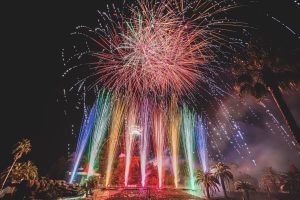
Tahun Baru atau Shogatsu adalah salah satu perayaan terpenting di Jepang. Masyarakat Jepang menyambut tahun baru dengan penuh doa, harapan, dan persiapan khusus. Selama Shogatsu, orang-orang mengunjungi kuil Shinto untuk berdoa demi keberuntungan di tahun yang akan datang. Mereka juga menghias rumah dengan kadomatsu (hiasan dari bambu) dan shimenawa (tali jerami suci). Makanan tradisional yang disajikan selama Shogatsu, seperti osechi ryori, juga merupakan bagian penting dari perayaan ini.

Festival di Jepang tidak hanya menjadi sarana hiburan, tetapi juga merupakan cara masyarakat untuk terhubung dengan tradisi, sejarah, dan kepercayaan mereka. Setiap festival mencerminkan kekayaan budaya yang berbeda, mulai dari merayakan keindahan alam, mengenang leluhur, hingga memperingati kisah cinta dan sejarah. Keberagaman festival ini mencerminkan betapa pentingnya peran tradisi dalam menjaga jati diri masyarakat Jepang dan menyatukan mereka di tengah modernitas.

Dengan berpartisipasi dalam festival-festival tersebut, masyarakat Jepang terus melestarikan warisan budaya yang telah diwariskan dari generasi ke generasi, sembari menunjukkan kepada dunia keindahan dan kekayaan budaya Jepang.
Festival Cahaya: Makna Spiritual dan Simbolisme di Balik Perayaan Diwali

pascalaubier – Diwali, yang juga dikenal sebagai Festival Cahaya, adalah salah satu perayaan paling penting dalam tradisi Hindu. Setiap tahun, jutaan orang di seluruh dunia merayakan Diwali dengan berbagai cara, mulai dari menyalakan lampu hingga melakukan puja (ibadah) dan berbagi kebahagiaan dengan orang-orang terkasih. Artikel ini akan membahas makna spiritual dan simbolisme di balik perayaan Diwali.

Diwali dirayakan pada bulan Kartika dalam kalender Hindu, yang biasanya jatuh antara akhir Oktober dan awal November. Festival ini memiliki akar yang dalam dalam mitologi Hindu dan berbagai kisah yang berkaitan dengan kemenangan kebaikan atas kejahatan. Salah satu cerita yang paling terkenal adalah kisah Ramayana, di mana Lord Rama kembali ke Ayodhya setelah mengalahkan raja iblis Ravana. Untuk menyambut kedatangannya, penduduk Ayodhya menyalakan lampu minyak dan menerangi jalan.

Makna Spiritual Diwali

  1. Kemenangan Kebaikan atas Kejahatan: Diwali melambangkan kemenangan kebaikan atas kejahatan. Dalam banyak tradisi, perayaan ini dihubungkan dengan pengusiran kegelapan dan kedatangan cahaya. Melalui cahaya yang dinyalakan, umat Hindu meyakini bahwa mereka membawa harapan dan kebahagiaan ke dalam hidup mereka.
  2. Pembersihan dan Pembaruan: Diwali juga merupakan waktu untuk pembersihan, baik fisik maupun spiritual. Banyak orang membersihkan rumah mereka, menghapus debu dan kekotoran, serta mendekorasi dengan rangoli dan lampu. Ini mencerminkan upaya untuk membersihkan pikiran dan hati dari negativitas.
  3. Penghormatan kepada Dewi Lakshmi: Diwali adalah waktu untuk menghormati Dewi Lakshmi, dewi kekayaan dan kemakmuran. Banyak keluarga melakukan puja khusus untuk memohon berkah dari Lakshmi agar rezeki dan kebahagiaan selalu melimpah. Ritual ini menekankan pentingnya keberlimpahan dalam kehidupan dan pengakuan atas karunia yang diberikan.

Simbolisme di Balik Diwali

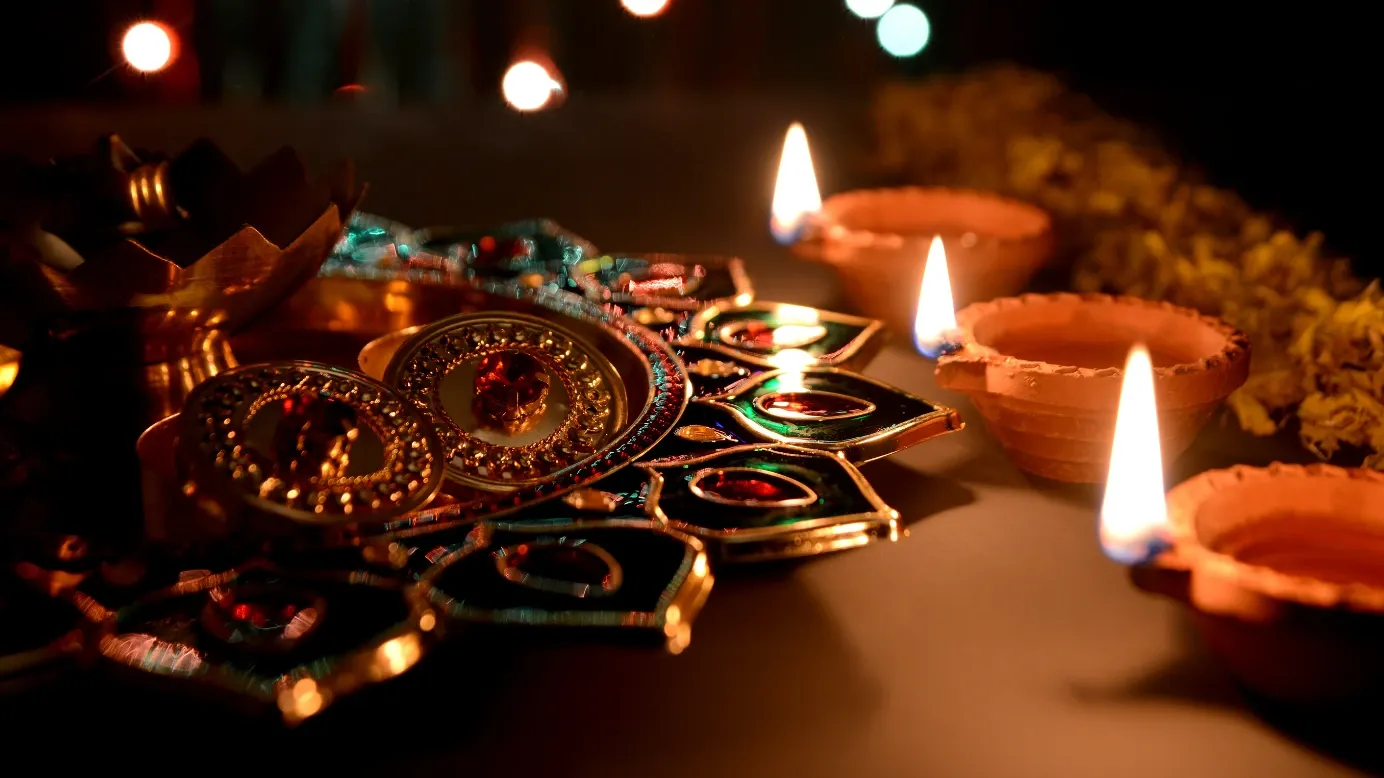
  1. Lampu dan Kembang Api: Lampu minyak (diya) yang dinyalakan selama Diwali melambangkan cahaya pengetahuan yang mengusir kegelapan kebodohan. Kembang api juga menjadi bagian penting dari perayaan ini, mewakili keceriaan dan kegembiraan. Keduanya mengingatkan kita bahwa cahaya selalu mengalahkan kegelapan.
  2. Rangoli: Seni rangoli, yang terdiri dari pola indah yang dibuat di lantai menggunakan bubuk warna, berfungsi untuk menyambut tamu dan membawa energi positif ke rumah. Setiap pola memiliki makna tertentu, sering kali berkaitan dengan kehidupan dan kesuburan.
  3. Makanan dan Berbagi: Makanan khas Diwali, seperti mithai (manisan), memiliki makna simbolis dalam berbagi dan merayakan. Makanan menjadi sarana untuk menjalin hubungan dengan keluarga, teman, dan tetangga, menunjukkan rasa syukur atas berkah yang telah diterima.

Diwali bukan hanya sekadar festival yang dirayakan dengan kemeriahan, tetapi juga menyimpan makna spiritual situs slot kamboja yang dalam. Melalui simbolisme cahaya, pembersihan, dan penghormatan, Diwali mengajarkan nilai-nilai kebaikan, keberlimpahan, dan kebersamaan. Festival ini menjadi pengingat bagi kita semua untuk mengusir kegelapan dari dalam diri dan mengarahkan hidup kita menuju cahaya, harapan, dan kebahagiaan.

Dengan merayakan Diwali, kita merayakan tidak hanya warisan budaya tetapi juga spirit universal yang mengingatkan kita akan pentingnya cinta, kebersamaan, dan harapan dalam kehidupan.

A Cultural Tapestry: Romanian Folk Tales and Legends

pascalaubier.com – Romania, a country with a rich history and vibrant culture, is home to a myriad of folk tales and legends that have been passed down through generations. These stories, often rooted in the country’s folklore, reflect the values, beliefs, and traditions of the Romanian people. They are a testament to the enduring spirit of storytelling and the importance of oral tradition in preserving the cultural heritage of the nation.

The Origins of Romanian Folk Tales

The origins of Romanian folk tales can be traced back to the ancient Dacians, the Thracian tribe that inhabited the region before the Roman conquest. Over centuries, these stories have been influenced by various cultures, including Greek, Slavic, and Turkish, creating a unique blend of myths, legends, and folklore. The tales often feature characters from Romanian mythology, such as the forest spirit “Iele” and the dragon-like creature “Zmeu,” reflecting the country’s deep connection with nature and the supernatural.

Themes and Motifs in Romanian Folk Tales

Romanian folk tales are rich in themes and motifs that reflect the country’s cultural values and historical experiences. Common themes include the struggle between good and evil, the importance of bravery and cunning, and the power of love and family. These tales often feature heroes and heroines who embark on quests, overcome obstacles, and learn valuable life lessons, embodying the resilience and resourcefulness of the Romanian people.

One of the most prominent motifs in Romanian folklore is the concept of “fate” or “destiny.” Many stories revolve around characters who are either trying to escape their predetermined fate or are fulfilling a destiny that has been foretold. This motif underscores the Romanian belief in a higher power that guides one’s life.

The Role of Folk Tales in Romanian Culture

Folk tales and legends play a crucial role in Romanian culture, serving as a means of entertainment, education, and cultural preservation. They are passed down through generations, often told around the fire during long winter nights or at family gatherings. These stories instill moral values, teach life lessons, and preserve the language and traditions of the Romanian people.

In addition to oral tradition, Romanian folk tales have been immortalized in literature, with many writers drawing inspiration from these ancient stories. Notable authors such as Ion Creangă and Petre Ispirescu have collected and published Romanian folk tales, making them accessible to a wider audience and ensuring their survival in the modern age.

Celebrating Romanian Folk Tales Today

Today, Romanian folk tales continue to be celebrated and enjoyed by people of all ages. Festivals, cultural events, and storytelling competitions are held throughout the year, showcasing the rich tapestry of Romanian folklore. These events not only entertain but also educate, reminding participants of the importance of preserving cultural heritage.

Moreover, the internet and social media have played a significant role in the dissemination of Romanian folk tales, making them accessible to a global audience. Through websites, blogs, and social media platforms, enthusiasts and scholars share stories, insights, and interpretations, fostering a community of folklore lovers worldwide.

Conclusion

Romanian folk tales and legends are more than just stories; they are a reflection of the country’s cultural identity, a window into its soul. They embody the values, beliefs, and traditions of the Romanian people, offering a glimpse into the life of the nation through the ages. As these tales continue to be told and retold, they serve as a reminder of the enduring power of storytelling and the importance of preserving cultural heritage for future generations.

Libya: A Fragile State and Its Security Challenges

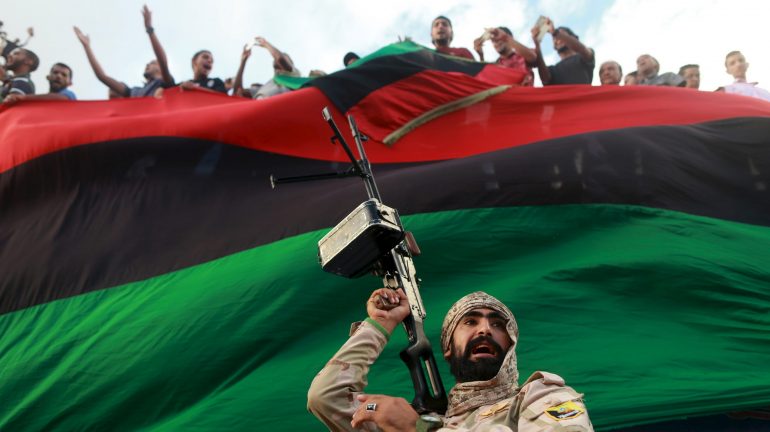
pascalaubier.com – Libya, a country with vast oil reserves and a strategic location in North Africa, has been grappling with instability and security challenges since the fall of Muammar Gaddafi in 2011. The country’s fragile state is a result of a complex mix of internal divisions, external interventions, and the proliferation of armed groups. This article explores the multifaceted security challenges that Libya faces and their implications for regional stability.

The Aftermath of the 2011 Uprising

The 2011 Libyan Civil War, which led to the overthrow and death of Gaddafi, marked the beginning of a tumultuous period for Libya. The absence of a strong central authority created a power vacuum that various factions, including militias, Islamist groups, and regional powers, rushed to fill. The country fragmented into rival governments and militias, leading to a protracted conflict.

Political Fragmentation and Governance Challenges

One of the primary security challenges in Libya is the lack of a unified political authority. The country has been divided between the Government of National Accord (GNA), based in Tripoli and recognized by the United Nations, and the eastern-based House of Representatives (HoR), aligned with the Libyan National Army (LNA) led by General Khalifa Haftar. This political fragmentation has hindered the establishment of a stable and effective governance structure, essential for addressing security issues.

Proliferation of Armed Groups and Militias

The proliferation of armed groups and militias is a significant security challenge in Libya. These groups, often with competing interests and allegiances, control various parts of the country and have been involved in ongoing conflicts. Their presence undermines the authority of the central government and poses a threat to civilian populations through violence, kidnappings, and extortions.

External Interventions and Regional Implications

External interventions by regional and international actors have further complicated Libya’s security landscape. Countries such as Turkey, Russia, Egypt, and the United Arab Emirates have supported different factions, providing military assistance, weapons, and mercenaries. These interventions have internationalized the conflict, making it more challenging to resolve and raising concerns about regional security and the spread of instability.

Economic Challenges and the Role of Oil

Libya’s economy, heavily reliant on oil exports, has been severely affected by the ongoing conflict. The disruption of oil production and export facilities has deprived the country of its primary source of revenue, exacerbating economic hardships and hindering the government’s ability to provide essential services. The control of oil resources has also become a focal point of the conflict, with various factions seeking to leverage them for financial and political gain.

Humanitarian Crisis and Refugee Flows

The prolonged conflict has led to a humanitarian crisis, with thousands of Libyans displaced and living in dire conditions. The country has also become a major transit point for migrants and refugees attempting to reach Europe, leading to additional humanitarian challenges. The exploitation and abuse of migrants by traffickers and militias highlight the dire need for international cooperation to address the crisis.

Conclusion

Libya’s security challenges are deeply intertwined with its political, economic, and humanitarian crises. The path to stability requires a comprehensive approach that addresses the root causes of the conflict, including political reconciliation, disarmament of militias, and economic reforms. International support, particularly from regional powers, is crucial for facilitating a peaceful resolution and preventing the further destabilization of Libya and the broader region.

Glimpse into the Life of Todra Gorge: Moroccan Oasis

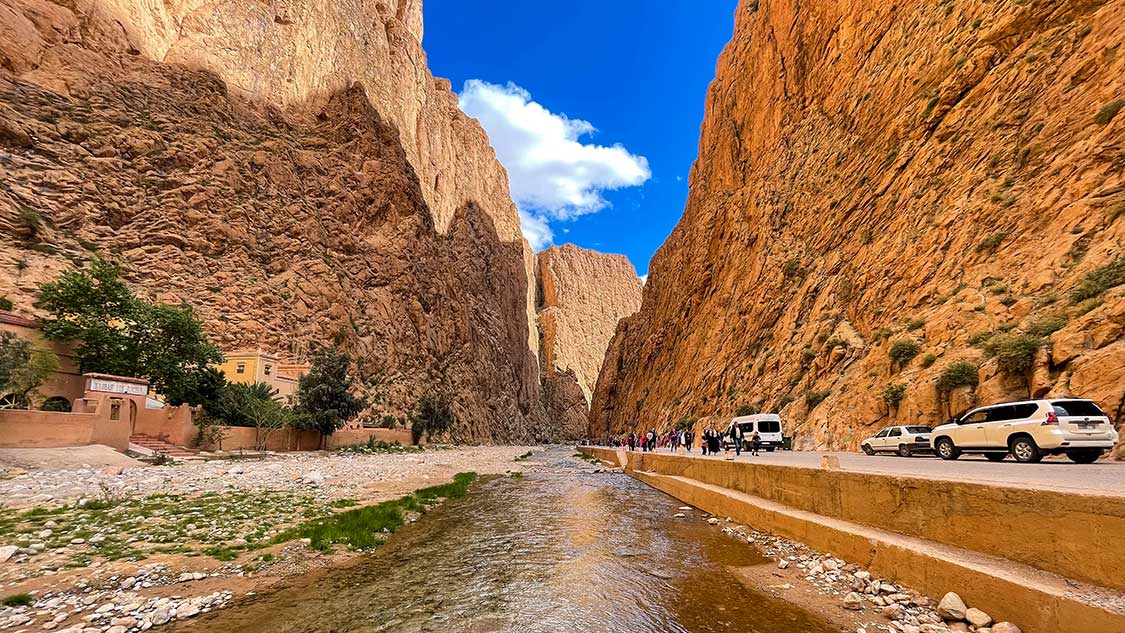
pascalaubier.com – Nestled within the eastern part of the High Atlas Mountains in Morocco, Todra Gorge stands as a testament to the country’s diverse landscapes and rich cultural heritage. This breathtaking natural wonder is not just a paradise for adventure seekers and photographers but also a serene oasis that offers a glimpse into the life of its local inhabitants. The Todra Gorge is a place where the rugged beauty of nature meets the vibrant tapestry of human life, creating an experience that is both exhilarating and profoundly peaceful.

The Natural Splendor of Todra Gorge

The Todra Gorge is a stunning example of natural architecture, where the Todra River has carved out a path through the limestone and sandstone cliffs over millions of years. The result is a narrow canyon that, at its most constricted point, is only 10 meters wide but rises dramatically to 300 meters high. This dramatic landscape is a photographer’s dream, with the orange and red hues of the cliffs changing dramatically with the light throughout the day.

For adventure enthusiasts, the gorge offers unparalleled opportunities for rock climbing, hiking, and mountain biking. The varied terrain and the sheer scale of the cliffs make it a popular destination for both novice and experienced climbers. The gorge is also a haven for birdwatchers, with a variety of species making their home in the crevices of the cliffs.

The Cultural Tapestry of Todra Gorge

Beyond its natural beauty, Todra Gorge is a place where visitors can immerse themselves in the local Berber culture. The Berber people, indigenous to North Africa, have lived in this region for centuries, adapting their way of life to the harsh desert conditions. The gorge and its surrounding areas are dotted with small Berber villages, where traditional ways of life continue to thrive.

Visitors to these villages can learn about Berber architecture, characterized by the use of mud bricks and straw to construct homes that are perfectly adapted to the desert climate. They can also experience Berber hospitality, renowned for its warmth and generosity, and sample traditional Moroccan cuisine, which is rich in flavors and spices.

A Serene Oasis Amidst the Desert

Despite its rugged exterior, Todra Gorge is a place of surprising tranquility. The river that flows through the gorge creates a lush, green oasis amidst the arid desert landscape. This fertile area is cultivated by the local Berber farmers, who grow a variety of crops, including almonds, figs, and olives. The contrast between the green fields and the stark, towering cliffs is striking and offers a sense of peace and isolation from the outside world.

For those seeking a respite from the hustle and bustle of modern life, Todra Gorge offers the perfect escape. The slow pace of life, the sound of the flowing river, and the breathtaking views provide a sense of calm and rejuvenation. Whether it’s a leisurely walk along the riverbank, a picnic in the shade of the cliffs, or simply sitting and watching the sunset, the gorge offers countless opportunities to relax and unwind.

Conclusion

Todra Gorge is more than just a natural wonder; it’s a living, breathing community that offers a unique blend of adventure, culture, and tranquility. For anyone looking to experience the true essence of Morocco, a visit to this stunning oasis is a must. It’s a place where the beauty of nature and the richness of human culture come together to create an unforgettable experience that touches the soul.

Discover the Beauty of Austria: Vienna, Salzburg and the Alps

Austria, a country rich in culture, history, and natural beauty, is a traveler’s paradise. Its charming cities, scenic landscapes, and vibrant traditions offer a unique blend of experiences. This article delves into three of Austria’s most captivating destinations: Vienna, Salzburg, and the Alps.

Vienna: The Imperial City

Historical Significance

Vienna, the capital of Austria, is renowned for its imperial history and architectural splendor. The city served as the political and cultural hub of the Habsburg Empire for centuries, leaving a legacy of grand palaces, museums, and monuments.

Must-Visit Attractions

  1. Schönbrunn Palace: A former imperial summer residence, this Baroque palace boasts opulent rooms and expansive gardens.
  2. Hofburg Palace: Once the winter residence of the Habsburgs, it now houses several museums and the Austrian Presidential offices.
  3. St. Stephen’s Cathedral: This Gothic masterpiece is iconic in Vienna’s skyline, offering panoramic views from its tower.

Cultural Vibrancy

Vienna is also a city of music, famously associated with composers like Mozart, Beethoven, and Strauss. The Vienna State Opera and Musikverein concert hall are must-visit venues for classical music enthusiasts.

Salzburg: The Birthplace of Mozart

Picturesque Setting

Salzburg, located on the banks of the Salzach River, is a city that exudes charm and elegance. Surrounded by the Eastern Alps, its picturesque setting is often described as straight out of a fairy tale.

Historical and Cultural Highlights

  1. Hohensalzburg Fortress: One of the largest medieval castles in Europe, offering stunning views of the city and surrounding mountains.
  2. Mozart’s Birthplace: Now a museum, this house offers a glimpse into the life of the legendary composer.
  3. Mirabell Palace and Gardens: Famous for its beautiful Baroque architecture and gardens, which were featured in the film “The Sound of Music.”

Festivals and Events

Salzburg’s rich musical heritage is celebrated through various festivals, the most famous being the Salzburg Festival, a world-renowned event featuring opera, drama, and concerts.

The Alps: Nature’s Masterpiece

Alpine Adventures

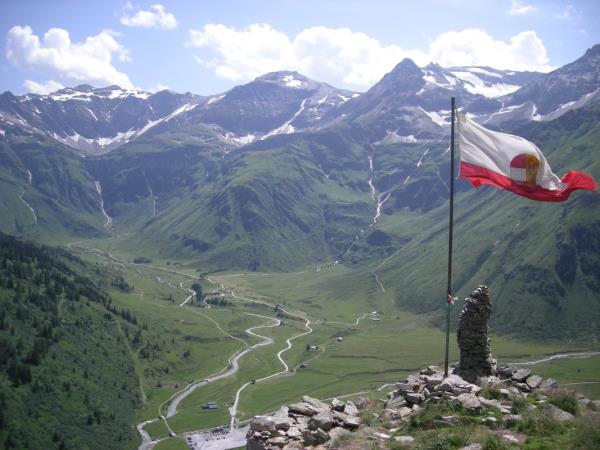
The Austrian Alps are a haven for outdoor enthusiasts. Whether you are a fan of winter sports or summer hiking, the Alps offer a myriad of activities.

  1. Skiing and Snowboarding: Resorts like St. Anton, Kitzbühel, and Zell am See are famous for their ski slopes and winter sports facilities.
  2. Hiking and Climbing: The summer months transform the Alps into a hiker’s paradise, with trails ranging from easy walks to challenging climbs.

Scenic Beauty

The beauty of the Alps is unparalleled, with towering peaks, lush valleys, and crystal-clear lakes. The Grossglockner High Alpine Road is a must-drive route, offering breathtaking views of Austria’s highest peak, the Grossglockner.

Wellness and Relaxation

The Alps are also known for their wellness resorts and spas. Towns like Bad Gastein and Bad Hofgastein are famous for their thermal baths and health retreats, providing a perfect way to unwind amidst stunning natural scenery.

Conclusion

Austria’s beauty lies in its diverse offerings, from the historical grandeur of Vienna to the musical charm of Salzburg, and the natural splendor of the Alps. Each destination offers its unique experiences, making Austria a country that captivates every traveler’s heart. Whether you are exploring imperial palaces, enjoying classical music, or embarking on alpine adventures, Austria promises an unforgettable journey through its rich cultural and natural landscapes.