Libya: A Fragile State and Its Security Challenges

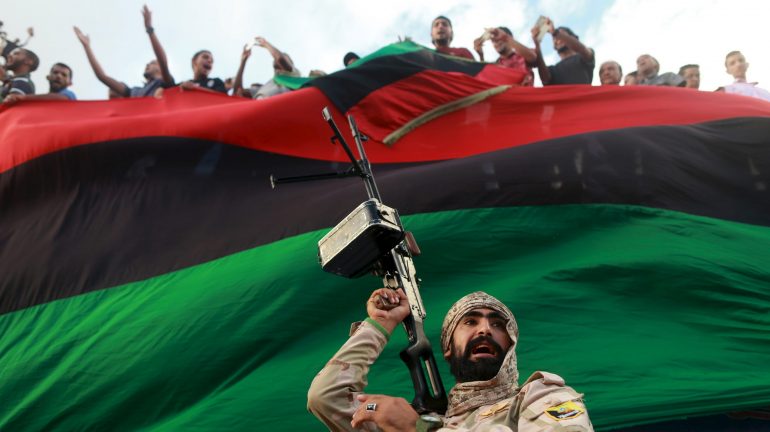
pascalaubier.com – Libya, a country with vast oil reserves and a strategic location in North Africa, has been grappling with instability and security challenges since the fall of Muammar Gaddafi in 2011. The country’s fragile state is a result of a complex mix of internal divisions, external interventions, and the proliferation of armed groups. This article explores the multifaceted security challenges that Libya faces and their implications for regional stability.

The Aftermath of the 2011 Uprising

The 2011 Libyan Civil War, which led to the overthrow and death of Gaddafi, marked the beginning of a tumultuous period for Libya. The absence of a strong central authority created a power vacuum that various factions, including militias, Islamist groups, and regional powers, rushed to fill. The country fragmented into rival governments and militias, leading to a protracted conflict.

Political Fragmentation and Governance Challenges

One of the primary security challenges in Libya is the lack of a unified political authority. The country has been divided between the Government of National Accord (GNA), based in Tripoli and recognized by the United Nations, and the eastern-based House of Representatives (HoR), aligned with the Libyan National Army (LNA) led by General Khalifa Haftar. This political fragmentation has hindered the establishment of a stable and effective governance structure, essential for addressing security issues.

Proliferation of Armed Groups and Militias

The proliferation of armed groups and militias is a significant security challenge in Libya. These groups, often with competing interests and allegiances, control various parts of the country and have been involved in ongoing conflicts. Their presence undermines the authority of the central government and poses a threat to civilian populations through violence, kidnappings, and extortions.

External Interventions and Regional Implications

External interventions by regional and international actors have further complicated Libya’s security landscape. Countries such as Turkey, Russia, Egypt, and the United Arab Emirates have supported different factions, providing military assistance, weapons, and mercenaries. These interventions have internationalized the conflict, making it more challenging to resolve and raising concerns about regional security and the spread of instability.

Economic Challenges and the Role of Oil

Libya’s economy, heavily reliant on oil exports, has been severely affected by the ongoing conflict. The disruption of oil production and export facilities has deprived the country of its primary source of revenue, exacerbating economic hardships and hindering the government’s ability to provide essential services. The control of oil resources has also become a focal point of the conflict, with various factions seeking to leverage them for financial and political gain.

Humanitarian Crisis and Refugee Flows

The prolonged conflict has led to a humanitarian crisis, with thousands of Libyans displaced and living in dire conditions. The country has also become a major transit point for migrants and refugees attempting to reach Europe, leading to additional humanitarian challenges. The exploitation and abuse of migrants by traffickers and militias highlight the dire need for international cooperation to address the crisis.

Conclusion

Libya’s security challenges are deeply intertwined with its political, economic, and humanitarian crises. The path to stability requires a comprehensive approach that addresses the root causes of the conflict, including political reconciliation, disarmament of militias, and economic reforms. International support, particularly from regional powers, is crucial for facilitating a peaceful resolution and preventing the further destabilization of Libya and the broader region.

Protecting Your Data: Smartphone Security

pascalaubier.com – Smartphone security is crucial in today’s digital age, as these devices often contain sensitive personal and financial information. Protecting your data on a smartphone involves a combination of physical security measures, software updates, and careful app management. Here are some essential tips to enhance the security of your smartphone and protect your data:

  1. Use a Strong Passcode or Biometric Lock: Ensure your phone is protected with a strong passcode, PIN, or biometric authentication methods like fingerprint or facial recognition. This prevents unauthorized access if your phone is lost or stolen.
  2. Install Updates Regularly: Keep your smartphone’s operating system and apps updated to the latest versions. Updates often include security patches that fix vulnerabilities and protect against new threats.
  3. Be Cautious with App Downloads: Only download apps from trusted sources, such as the official app store for your device (Google Play Store for Android or Apple’s App Store for iOS). Be wary of apps that request unnecessary permissions or have poor ratings and reviews.
  4. Review App Permissions: Regularly check the permissions granted to your apps and revoke any that seem unnecessary. For example, a flashlight app doesn’t need access to your contacts or camera.
  5. Use Encrypted Messaging Services: When sending sensitive information via messaging apps, choose services that offer end-to-end encryption, such as Signal or WhatsApp.
  6. Enable Remote Wipe and Tracking: Activate features like Find My iPhone or Android’s Find My Device. These services allow you to remotely lock, wipe, or locate your phone if it’s lost or stolen.
  7. Install a Mobile Security App: Consider installing a reputable mobile security app that can provide additional protection against malware, phishing attempts, and other threats.
  8. Be Careful with Public Wi-Fi: Avoid accessing sensitive information over public Wi-Fi networks, which can be easily intercepted by hackers. If you must use public Wi-Fi, use a VPN (Virtual Private Network) to encrypt your data.
  9. Backup Your Data: Regularly back up your data to the cloud or a computer. This ensures that you can recover your information if your phone is compromised or lost.
  10. Use Two-Factor Authentication (2FA): Whenever possible, enable 2FA for your accounts. This adds an extra layer of security by requiring a second form of verification, such as a text message code or an authentication app.
  11. Be Wary of Phishing Attempts: Be cautious of suspicious links, attachments, or messages that ask for personal information. Phishing is a common tactic used by cybercriminals to steal data.
  12. Limit the Amount of Personal Information: Avoid storing sensitive information on your phone, such as Social Security numbers or passwords. Use password managers for secure storage of login credentials.
  13. Turn Off Automatic Connection to Wi-Fi: Disable the feature that automatically connects to known Wi-Fi networks. This prevents your phone from connecting to compromised networks without your knowledge.
  14. Use a Firewall: Some smartphones allow you to install a firewall app that can monitor incoming and outgoing connections and block suspicious activity.
  15. Factory Reset Before Selling or Disposing: If you plan to sell or dispose of your phone, perform a factory reset to erase all personal data and restore the device to its original settings.

By following these practices, you can significantly reduce the risk of data breaches and protect your personal information from unauthorized access. Remember that smartphone security is an ongoing process, and staying informed about the latest security threats and best practices is essential.