Role of Law Enforcement in Gang Control: Strategies & Challenges

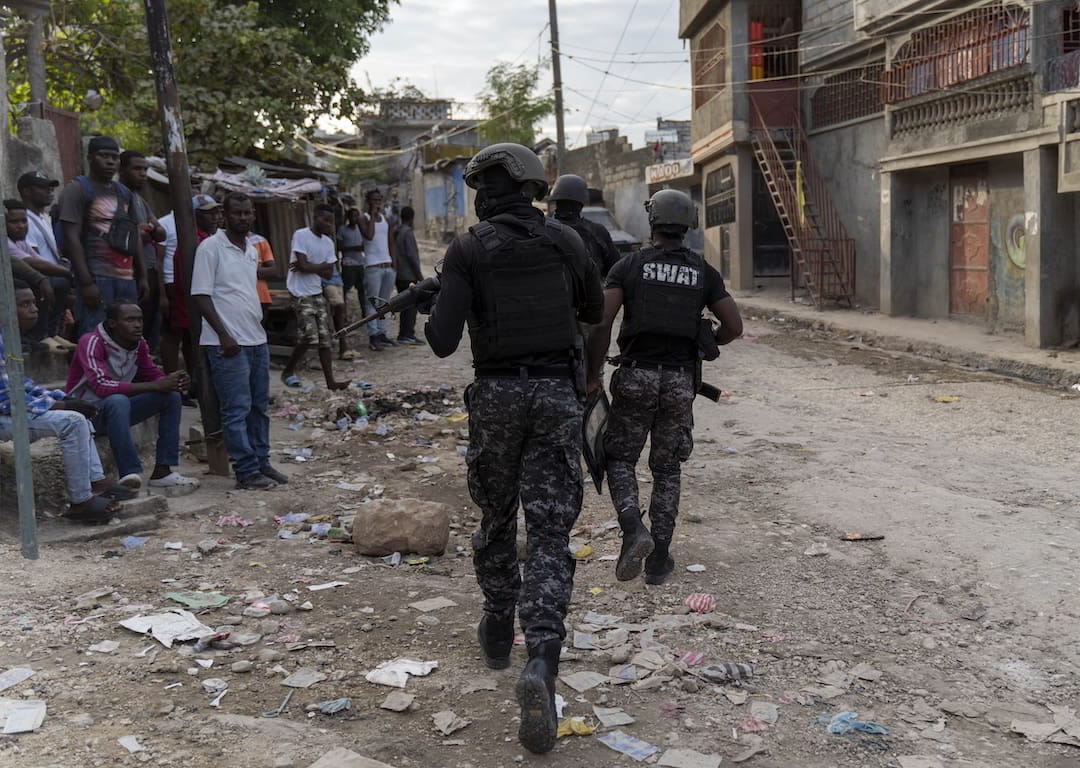
pascalaubier.com – Gang activity remains a significant challenge for law enforcement agencies across the United States. Despite the complexities and multifaceted nature of gang-related issues, law enforcement plays a crucial role in addressing and mitigating gang-related crimes. This article explores the strategies employed by law enforcement to control gang activities and the challenges they face in effectively implementing these strategies.

Strategies to Address Gang Crime

Multi-Agency Partnerships

One of the most effective strategies in combating gang crime involves partnerships among various agencies, including law enforcement, schools, parents, and community organizations. These partnerships are essential for a comprehensive approach to gang control, as they allow for a more holistic understanding of the root causes of gang activity and the development of targeted interventions.

Suppression and Rehabilitation

Law enforcement agencies often employ suppression strategies to target and disrupt the most violent gangs and older, criminally active gang members. These strategies include surveillance, intelligence gathering, and enforcement actions aimed at disrupting gang operations. Additionally, intensive services are provided to rehabilitate gang members, focusing on education, job training, and counseling to help them exit gang life.

Community Engagement

Engaging with the community is another critical strategy. By building trust and relationships with community members, law enforcement can gain valuable insights into gang activities and identify potential issues early on. This approach helps in preventing gang recruitment and reducing gang-related violence.

Challenges in Gang Control

Social and Political Factors

Controlling gang problems is not solely within the purview of law enforcement. Social and political factors play a significant role in shaping gang activity. These factors include economic conditions, educational opportunities, and community cohesion. Law enforcement agencies must navigate these complex social dynamics to effectively address gang issues.

Resource Constraints

Law enforcement agencies often face resource constraints that limit their ability to implement comprehensive gang control strategies. Budgetary limitations can hinder the development of partnerships, the provision of intensive services, and community engagement efforts. This can lead to gaps in the response to gang activity, making it more difficult to achieve long-term success.

Legal and Ethical Considerations

Operating within the legal and ethical boundaries is crucial for law enforcement. Balancing the need for effective gang control with the protection of civil liberties and human rights can be challenging. Law enforcement must ensure that their strategies comply with legal standards and respect the rights of individuals, even those involved in gang activities.

Conclusion

Law enforcement plays a vital role in controlling gang activities through a combination of suppression, rehabilitation, and community engagement strategies. However, the effectiveness of these strategies is contingent upon overcoming significant challenges, including social and political factors, resource constraints, and legal and ethical considerations. By addressing these challenges, law enforcement agencies can enhance their ability to combat gang-related crimes and improve public safety.


Libya: A Fragile State and Its Security Challenges

pascalaubier.com – Libya, a country with vast oil reserves and a strategic location in North Africa, has been grappling with instability and security challenges since the fall of Muammar Gaddafi in 2011. The country’s fragile state is a result of a complex mix of internal divisions, external interventions, and the proliferation of armed groups. This article explores the multifaceted security challenges that Libya faces and their implications for regional stability.

The Aftermath of the 2011 Uprising

The 2011 Libyan Civil War, which led to the overthrow and death of Gaddafi, marked the beginning of a tumultuous period for Libya. The absence of a strong central authority created a power vacuum that various factions, including militias, Islamist groups, and regional powers, rushed to fill. The country fragmented into rival governments and militias, leading to a protracted conflict.

Political Fragmentation and Governance Challenges

One of the primary security challenges in Libya is the lack of a unified political authority. The country has been divided between the Government of National Accord (GNA), based in Tripoli and recognized by the United Nations, and the eastern-based House of Representatives (HoR), aligned with the Libyan National Army (LNA) led by General Khalifa Haftar. This political fragmentation has hindered the establishment of a stable and effective governance structure, essential for addressing security issues.

Proliferation of Armed Groups and Militias

The proliferation of armed groups and militias is a significant security challenge in Libya. These groups, often with competing interests and allegiances, control various parts of the country and have been involved in ongoing conflicts. Their presence undermines the authority of the central government and poses a threat to civilian populations through violence, kidnappings, and extortions.

External Interventions and Regional Implications

External interventions by regional and international actors have further complicated Libya’s security landscape. Countries such as Turkey, Russia, Egypt, and the United Arab Emirates have supported different factions, providing military assistance, weapons, and mercenaries. These interventions have internationalized the conflict, making it more challenging to resolve and raising concerns about regional security and the spread of instability.

Economic Challenges and the Role of Oil

Libya’s economy, heavily reliant on oil exports, has been severely affected by the ongoing conflict. The disruption of oil production and export facilities has deprived the country of its primary source of revenue, exacerbating economic hardships and hindering the government’s ability to provide essential services. The control of oil resources has also become a focal point of the conflict, with various factions seeking to leverage them for financial and political gain.

Humanitarian Crisis and Refugee Flows

The prolonged conflict has led to a humanitarian crisis, with thousands of Libyans displaced and living in dire conditions. The country has also become a major transit point for migrants and refugees attempting to reach Europe, leading to additional humanitarian challenges. The exploitation and abuse of migrants by traffickers and militias highlight the dire need for international cooperation to address the crisis.

Conclusion

Libya’s security challenges are deeply intertwined with its political, economic, and humanitarian crises. The path to stability requires a comprehensive approach that addresses the root causes of the conflict, including political reconciliation, disarmament of militias, and economic reforms. International support, particularly from regional powers, is crucial for facilitating a peaceful resolution and preventing the further destabilization of Libya and the broader region.

The Challenges Facing Rich Kids: Inherited Fortunes

pascalaubier.com – Inheriting a fortune can seem like a dream come true for many, conjuring images of luxury, freedom, and endless possibilities. However, the reality for those born into wealth is often far more complex. While the advantages of a substantial inheritance are undeniable, rich kids face a unique set of challenges that can shape their lives in profound ways. This article explores the multifaceted issues that accompany inherited wealth and the strategies some individuals employ to navigate them.

The Burden of Expectation

One of the most significant challenges for rich kids is the weight of expectation that comes with their inheritance. From an early age, they may feel pressure to live up to the successes of their parents or ancestors, whether that means excelling in business, philanthropy, or social status. This can lead to a sense of inadequacy or fear of failure, as they strive to prove themselves worthy of their wealth.

Identity Struggles

Inherited wealth can also complicate the process of forming a personal identity. Rich kids may question whether their achievements and relationships are genuine or if they are simply byproducts of their financial status. This can lead to a persistent doubt about their self-worth and the authenticity of their experiences.

Isolation and Loneliness

Wealth can create a barrier between rich kids and their peers. The unique lifestyle that comes with significant wealth can make it difficult to relate to others, leading to feelings of isolation. Additionally, there may be concerns about others’ intentions, with rich kids questioning whether people are interested in them for who they are or for what they have.

Managing Wealth

Inheriting a fortune also means taking on the responsibility of managing it. This can be a daunting task, especially for those who have not been adequately prepared. Poor financial decisions can lead to significant losses, while the stress of maintaining and growing wealth can be overwhelming.

Philanthropy and Legacy

Many rich kids feel a responsibility to use their wealth for the greater good, engaging in philanthropy to make a positive impact. However, this too comes with challenges. There is the pressure to choose the right causes, to make a meaningful difference, and to do so without appearing to be seeking personal gain or redemption.

Strategies for Coping

To address these challenges, some rich kids seek to create a sense of purpose and autonomy. This might involve pursuing careers or passions outside of the family business, engaging in philanthropy that aligns with their personal values, or seeking mentorship and education to better understand their wealth and how to manage it.

Building a support network of peers who understand the complexities of inherited wealth can also be crucial. Groups and forums designed for the children of the wealthy can provide a space for sharing experiences and advice.

Conclusion

While inheriting a fortune can provide unparalleled opportunities, it also comes with its own set of challenges. Rich kids must navigate the expectations, identity struggles, isolation, and responsibilities that accompany their wealth. By seeking education, purpose, and community, they can work to overcome these challenges and lead fulfilling lives that go beyond the balance in their bank accounts.