The Evolution of Fashion Modeling: Present, Past, and Future

Fashion modeling has undergone a remarkable transformation since its inception, reflecting broader societal changes and technological advancements. This article explores the evolution of fashion modeling, tracing its roots from the past, examining its current state, and speculating on its future trajectory.

Past: The Birth of Fashion Modeling

Fashion modeling as a profession began in the mid-19th century. Charles Frederick Worth, often regarded as the father of haute couture, is credited with pioneering the concept of using live models to showcase his designs in Paris. Before Worth’s innovation, garments were typically displayed on mannequins or dress forms. His use of real people to wear and exhibit clothing marked the beginning of fashion modeling as we know it.

The early 20th century saw the rise of “mannequins,” the term used for models at the time, who were usually employed directly by fashion houses. These models were not public figures, and their work was largely confined to private showings for wealthy clients.

By the 1940s and 1950s, modeling began to gain more recognition as a profession. Models such as Lisa Fonssagrives, often cited as the world’s first supermodel, graced the covers of prominent magazines like Vogue and Harper’s Bazaar, bringing greater visibility to the profession.

Present: The Age of Diversity and Digital Transformation

The late 20th and early 21st centuries have seen significant shifts in the fashion modeling industry. One of the most notable changes has been the move towards greater diversity and inclusivity. The industry, which was once dominated by a narrow standard of beauty, has increasingly embraced models of various ethnicities, sizes, ages, and gender identities. This shift reflects broader societal movements towards inclusivity and representation.

The rise of social media has also revolutionized fashion modeling. Platforms like Instagram and TikTok have democratized the industry, allowing models to build their brands and reach global audiences without traditional gatekeepers like modeling agencies. Influencer culture has blurred the lines between fashion models and social media personalities, with brands often collaborating with influencers who command large followings.

Moreover, advancements in technology have introduced new dimensions to modeling. Virtual and augmented reality are being used to create digital fashion shows and campaigns, while virtual models and influencers, such as Lil Miquela, are gaining popularity.

Future: The Intersection of Technology and Sustainability

Looking ahead, the future of fashion modeling will likely be shaped by further technological innovations and a growing emphasis on sustainability. The use of artificial intelligence (AI) and machine learning could transform how models are scouted, with algorithms identifying potential talent from social media and other platforms. Virtual and augmented reality technologies are expected to become even more sophisticated, possibly leading to fully immersive virtual fashion shows and experiences.

Sustainability is another critical factor that will influence the future of fashion modeling. As the fashion industry grapples with its environmental impact, there is a push towards more sustainable practices, including in modeling. This could mean a rise in virtual models, which reduce the need for physical travel and resources associated with traditional modeling. Additionally, there may be an increased focus on promoting sustainable fashion brands and practices through modeling campaigns.

In conclusion, the evolution of fashion modeling from its early days to the present has been marked by significant changes reflecting societal trends and technological advancements. As we look to the future, the industry is poised to continue evolving, driven by the twin forces of technological innovation and sustainability.
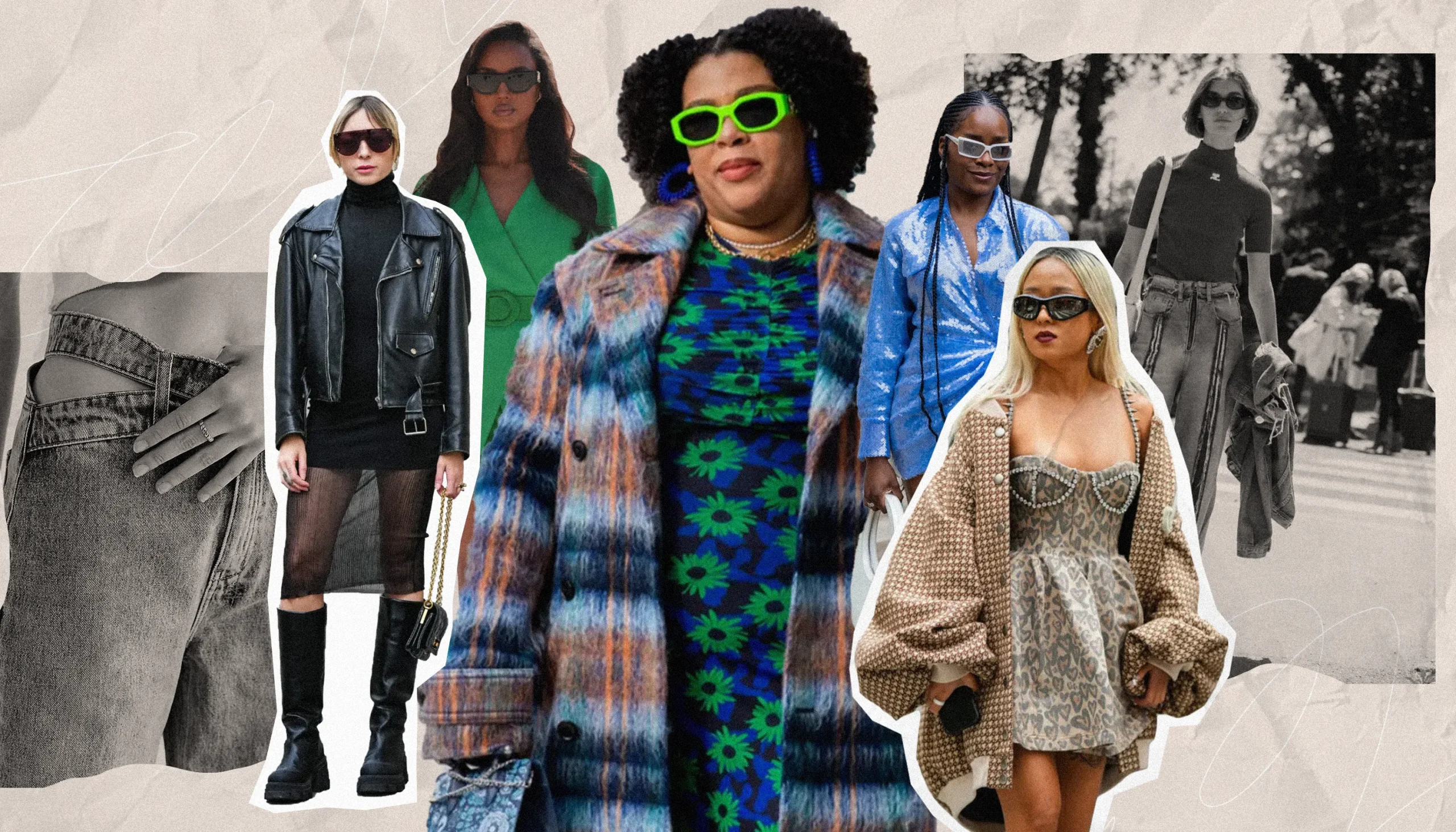
Anticipating the Fashion of the Next Decade

Fashion is an ever-evolving industry that reflects cultural shifts, technological advancements, and societal changes. As we look ahead to the next decade, several trends are poised to shape the future of fashion, from sustainability to technological integration. Here’s a deep dive into the key trends that are expected to dominate the fashion landscape in the coming years.

1. Sustainability and Ethical Fashion

Rise of Eco-Friendly Materials

The fashion industry is increasingly embracing sustainability. Consumers are becoming more conscious about the environmental impact of their clothing choices, leading to a demand for eco-friendly materials. Expect to see a surge in the use of organic cotton, recycled fabrics, and innovative materials like mushroom leather and lab-grown textiles.

Circular Fashion

The concept of circular fashion, which promotes the reuse and recycling of garments, will gain traction. Brands will focus on creating clothing that can be easily disassembled and recycled, reducing waste and promoting a more sustainable lifecycle.

Transparency and Ethical Practices

Consumers are demanding more transparency from brands regarding their supply chains. Ethical practices, fair wages, and humane working conditions will become non-negotiable standards. Brands that fail to adhere to these principles may face backlash from increasingly informed and conscientious consumers.

2. Technological Integration

Smart Textiles and Wearable Tech

The integration of technology into fashion is set to revolutionize the industry. Smart textiles that can monitor health, change color, or charge devices will become more mainstream. Wearable tech, such as smartwatches and fitness trackers, will continue to evolve, blending seamlessly with everyday fashion.

3D Printing

3D printing is expected to play a significant role in the future of fashion. This technology allows for the creation of custom, made-to-measure garments with minimal waste. Designers can experiment with intricate patterns and structures that were previously impossible to achieve with traditional methods.

Virtual and Augmented Reality

Virtual and augmented reality will transform the shopping experience. Virtual fitting rooms and AR apps will enable consumers to try on clothes digitally before making a purchase, reducing the need for physical stores and returns. Additionally, virtual fashion shows and digital collections will become more common, making fashion more accessible globally.

3. Personalization and Customization

Bespoke Clothing

Advancements in technology will make bespoke clothing more accessible. Consumers will have the ability to design their own garments, choosing everything from fabric to fit. This trend towards personalization will cater to the growing desire for unique, one-of-a-kind pieces.

Mass Customization

While bespoke clothing is tailored for individuals, mass customization allows for a personalized experience on a larger scale. Brands will offer customizable options within their collections, enabling consumers to tweak designs to their preferences without the premium price tag of bespoke fashion.

4. Inclusivity and Diversity

Body Positivity

The fashion industry is moving towards greater inclusivity. Brands are expanding their size ranges and showcasing diverse body types in their marketing campaigns. This shift not only reflects societal changes but also broadens the market for fashion brands.

Cultural Representation

Diversity in fashion will extend beyond body positivity. There will be a greater emphasis on cultural representation, with brands celebrating and incorporating different cultures and traditions into their designs. This inclusive approach will resonate with a global audience and foster a deeper connection with consumers.

5. Minimalism and Timeless Style

Capsule Wardrobes

The minimalist trend will continue to grow, with more consumers embracing capsule wardrobes. These collections of timeless, versatile pieces aim to reduce clutter and promote a more intentional approach to fashion.

Slow Fashion

Slow fashion, which emphasizes quality over quantity, will gain momentum. Consumers will invest in well-made, durable pieces that stand the test of time, moving away from the fast fashion mentality of disposable clothing.

Conclusion

The next decade in fashion promises to be an exciting blend of sustainability, technology, personalization, inclusivity, and minimalism. As brands and consumers alike adapt to these trends, the fashion industry will continue to evolve, reflecting the values and advancements of our time. The future of fashion is not just about what we wear, but how we wear it, and the impact our choices have on the world around us.

Some questions you may ask:
How do you think the rise of eco-friendly materials will impact traditional fashion brands?
Can you elaborate on some innovative materials like mushroom leather and lab-grown textiles?
What steps are brands taking to ensure transparency and ethical practices in their supply chains?