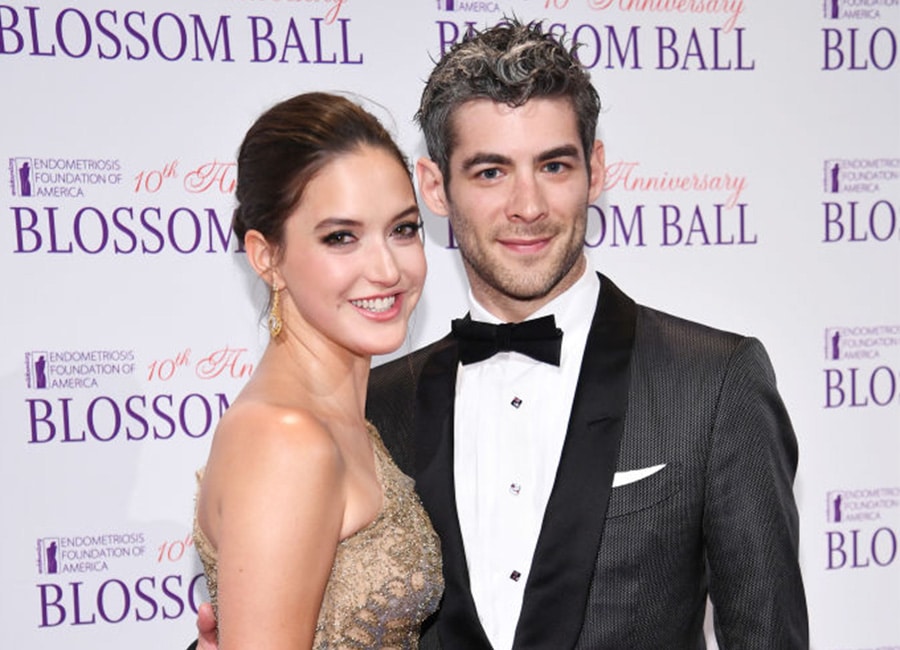
The Model Offspring: Alaïa Baldwin

pascalaubier.com – In the world of fashion and modeling, where talent and lineage often intertwine, Alaïa Baldwin stands out as a beacon of both. The daughter of actor Stephen Baldwin and niece of Alec Baldwin, Alaïa has carved her own path in the modeling industry, proving that she is more than just a product of her famous family. With her striking features, unique style, and undeniable charisma, Alaïa Baldwin has become a name to reckon with in the fashion world.

A Legacy to Live Up To

Born into a family where the spotlight is never far, Alaïa Baldwin was always destined for a life in the public eye. However, rather than resting on the laurels of her famous surname, she has chosen to forge her own identity, one that is distinctly hers. Her journey into modeling was not a mere extension of her family’s legacy but a testament to her own ambition and talent.

Breaking into the Industry

Alaïa’s entry into the modeling world was marked by her unique look and a strong work ethic. She quickly caught the attention of industry insiders, who were drawn to her fresh face and the versatility she brought to every project. Her ability to transform and adapt to various roles and themes has made her a favorite among photographers and designers alike.

A Unique Sense of Style

What sets Alaïa Baldwin apart is not just her professional demeanor but also her personal style. She has a knack for mixing high fashion with more accessible brands, creating looks that are both aspirational and relatable. Her Instagram feed is a testament to her fashion sense, showcasing a blend of elegance, edginess, and a touch of whimsy.

Beyond the Catwalk

While modeling remains her primary focus, Alaïa Baldwin is also an advocate for various causes, using her platform to raise awareness about issues close to her heart. She has shown that she is not just a pretty face but a voice for change, encouraging her followers to think beyond the superficial and engage with the world around them.

The Future is Bright

As Alaïa Baldwin continues to navigate the modeling industry, her star is only set to rise. With each new project, she proves that she is more than capable of standing on her own, without the shadow of her famous family. Her journey is a reminder that talent, hard work, and a unique perspective can indeed pave the way to success.

Alaïa Baldwin is not just a model; she is a symbol of the new generation of creatives who are redefining what it means to be in the public eye. With her feet firmly planted in the fashion world and her eyes set on the future, there is no doubt that Alaïa Baldwin will continue to make waves and inspire those who follow in her footsteps.

The Evolution of Fashion Modeling: Present, Past, and Future

Fashion modeling has undergone a remarkable transformation since its inception, reflecting broader societal changes and technological advancements. This article explores the evolution of fashion modeling, tracing its roots from the past, examining its current state, and speculating on its future trajectory.

Past: The Birth of Fashion Modeling

Fashion modeling as a profession began in the mid-19th century. Charles Frederick Worth, often regarded as the father of haute couture, is credited with pioneering the concept of using live models to showcase his designs in Paris. Before Worth’s innovation, garments were typically displayed on mannequins or dress forms. His use of real people to wear and exhibit clothing marked the beginning of fashion modeling as we know it.

The early 20th century saw the rise of “mannequins,” the term used for models at the time, who were usually employed directly by fashion houses. These models were not public figures, and their work was largely confined to private showings for wealthy clients.

By the 1940s and 1950s, modeling began to gain more recognition as a profession. Models such as Lisa Fonssagrives, often cited as the world’s first supermodel, graced the covers of prominent magazines like Vogue and Harper’s Bazaar, bringing greater visibility to the profession.

Present: The Age of Diversity and Digital Transformation

The late 20th and early 21st centuries have seen significant shifts in the fashion modeling industry. One of the most notable changes has been the move towards greater diversity and inclusivity. The industry, which was once dominated by a narrow standard of beauty, has increasingly embraced models of various ethnicities, sizes, ages, and gender identities. This shift reflects broader societal movements towards inclusivity and representation.

The rise of social media has also revolutionized fashion modeling. Platforms like Instagram and TikTok have democratized the industry, allowing models to build their brands and reach global audiences without traditional gatekeepers like modeling agencies. Influencer culture has blurred the lines between fashion models and social media personalities, with brands often collaborating with influencers who command large followings.

Moreover, advancements in technology have introduced new dimensions to modeling. Virtual and augmented reality are being used to create digital fashion shows and campaigns, while virtual models and influencers, such as Lil Miquela, are gaining popularity.

Future: The Intersection of Technology and Sustainability

Looking ahead, the future of fashion modeling will likely be shaped by further technological innovations and a growing emphasis on sustainability. The use of artificial intelligence (AI) and machine learning could transform how models are scouted, with algorithms identifying potential talent from social media and other platforms. Virtual and augmented reality technologies are expected to become even more sophisticated, possibly leading to fully immersive virtual fashion shows and experiences.

Sustainability is another critical factor that will influence the future of fashion modeling. As the fashion industry grapples with its environmental impact, there is a push towards more sustainable practices, including in modeling. This could mean a rise in virtual models, which reduce the need for physical travel and resources associated with traditional modeling. Additionally, there may be an increased focus on promoting sustainable fashion brands and practices through modeling campaigns.

In conclusion, the evolution of fashion modeling from its early days to the present has been marked by significant changes reflecting societal trends and technological advancements. As we look to the future, the industry is poised to continue evolving, driven by the twin forces of technological innovation and sustainability.