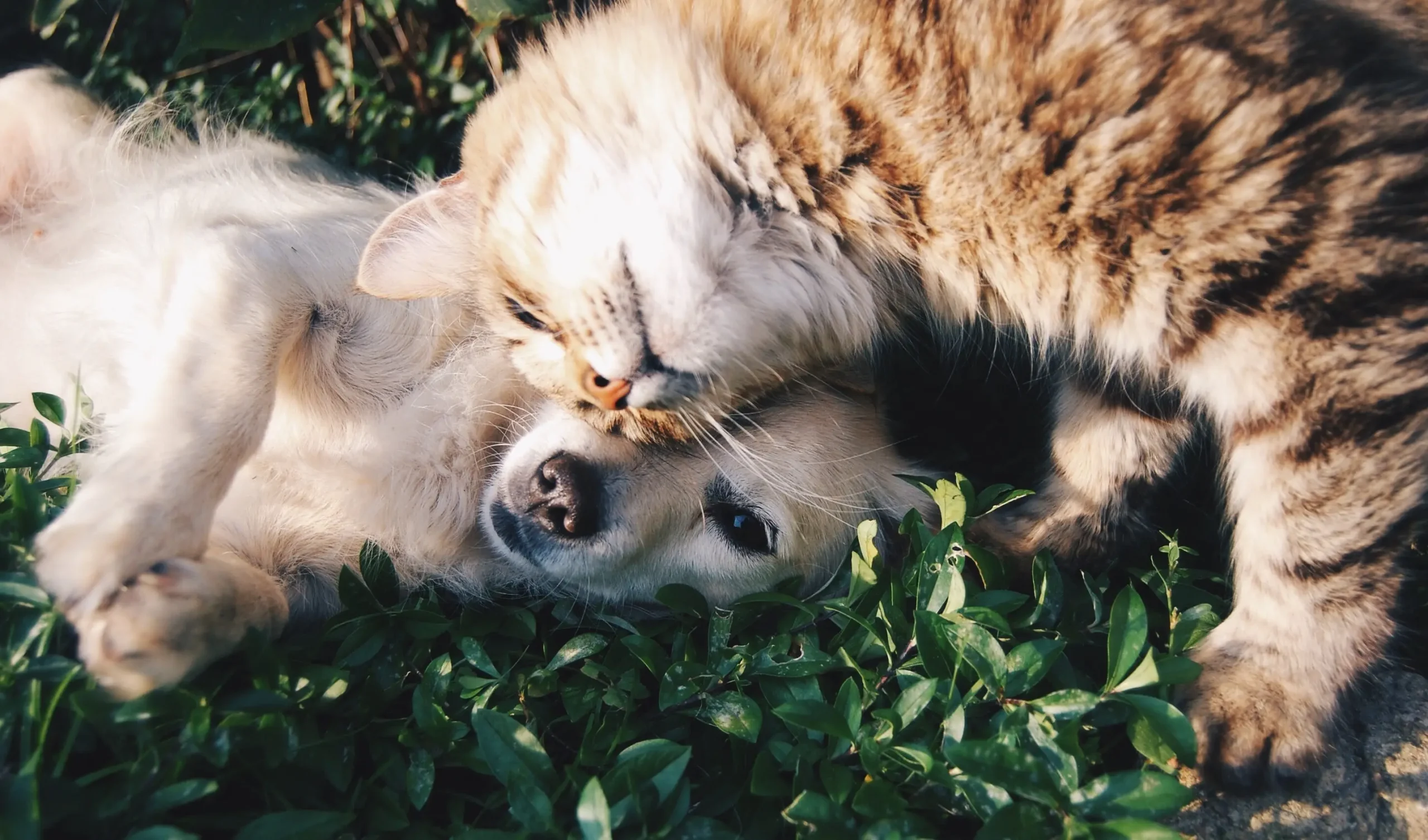
From Wild to Companion: The Evolution of Domestic Pets

pascalaubier.com – The journey of domestic pets from their wild origins to their role as beloved companions in human society is a fascinating story that spans thousands of years. This narrative is not just about the transformation of animals but also about the profound impact these relationships have had on human evolution and society.

The Dawn of Domestication

The process of domestication began approximately 12,000 years ago, predating the advent of agriculture. This period marked the initial steps in the coexistence and interaction between humans and animals, which would eventually lead to the domestication of various species.

The First Domesticated Animals

The wolf, the common ancestor of all modern dogs, is widely considered the first animal to be domesticated. This transition from wild to domesticated state was a gradual process influenced by natural selection, where wolves that were more tolerant of humans had a survival advantage.

Cats and Dogs: Exceptional Domestication

Cats and dogs are notable exceptions in the history of domestication, as they were not primarily domesticated in the traditional sense of being farm animals. Instead, their domestication was more about cohabitation and mutual benefit, with cats controlling pests and dogs providing protection and companionship.

The Role of Pets in Human Evolution

The domestication of animals played a crucial role in human evolution. It not only provided a source of food and protection but also fostered a sense of community and responsibility among early humans. Pets became integral to the social fabric of human society, offering emotional support and companionship.

The Evolution of Pet Ownership

The history of pet ownership is not a linear progression but rather a complex interplay of human-animal relationships. As societies evolved, so did the roles of pets, from working animals to purely companion animals. This evolution reflects the changing needs and values of human society.

Conclusion

The journey of domestic pets from their wild origins to their role as companions in human society is a testament to the deep bond between humans and animals. This relationship has not only shaped the course of animal evolution but also played a significant role in human development and societal progress. As we continue to coexist with our furry friends, the story of domestication remains a vital chapter in the history of human-animal interaction.
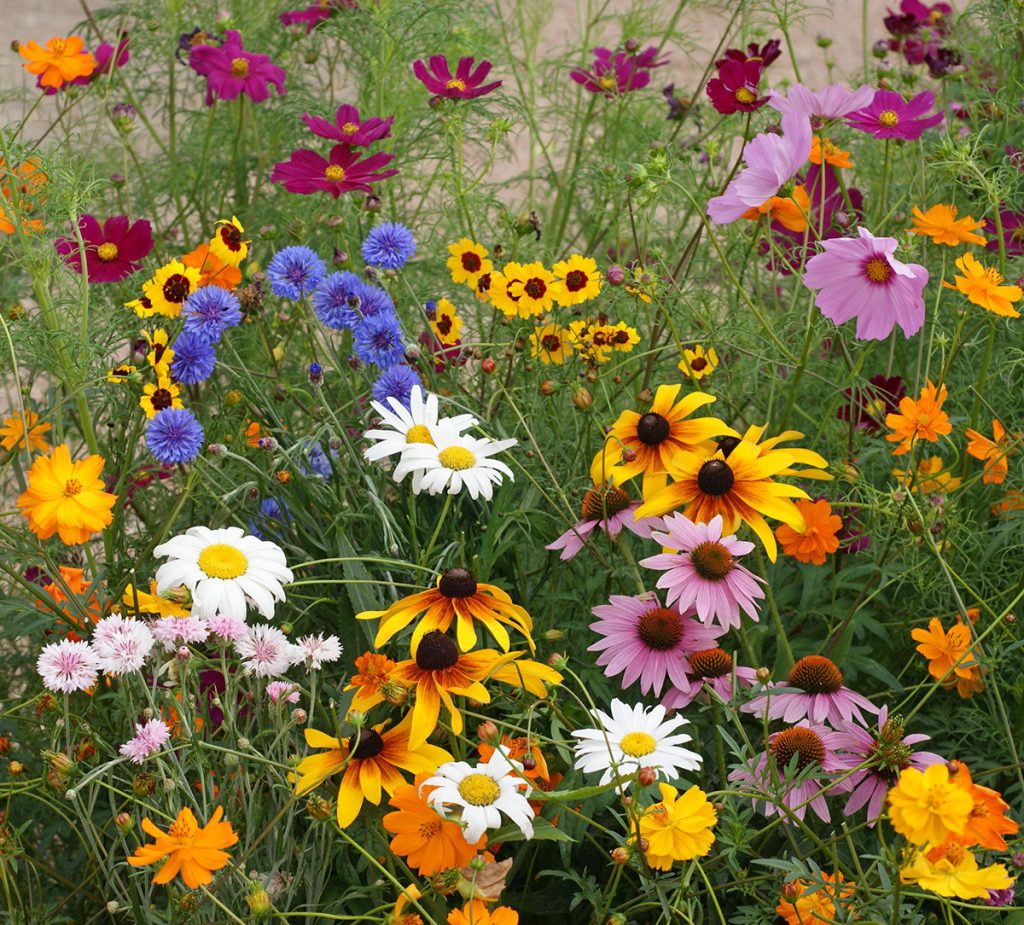
Wildflower Wonders: The Natural Splendor of Uncultivated Blooms

In a world increasingly dominated by manicured lawns and meticulously planned gardens, the allure of wildflowers remains a breath of fresh air. These uncultivated blooms, with their vibrant colors and untamed beauty, offer a glimpse into the resilience and diversity of nature. From the vast prairies to the rugged mountain slopes, wildflowers paint the landscape with a palette that no human hand could replicate. This article delves into the natural splendor of wildflowers, exploring their ecological significance, aesthetic appeal, and the ways in which we can preserve and celebrate these wild wonders.

The Ecological Tapestry

Wildflowers are more than just pretty faces in the field; they are integral components of ecosystems worldwide. They provide essential habitat and food for pollinators such as bees, butterflies, and birds, playing a crucial role in the pollination of both wild and agricultural plants. This interconnectedness highlights the importance of wildflower conservation, as their decline can have far-reaching effects on biodiversity and food security.

Moreover, wildflowers contribute to soil health and erosion control. Their deep root systems help to break up compacted soil, allowing for better water infiltration and nutrient cycling. This not only benefits the wildflowers themselves but also the surrounding vegetation and wildlife that depend on a healthy ecosystem.

Aesthetic Appeal and Cultural Significance

The beauty of wildflowers transcends their ecological functions. Their natural, unstructured growth patterns and the way they seem to pop up unexpectedly along roadsides, meadows, and forest clearings, bring a sense of wonder and spontaneity to the natural world. This beauty has been celebrated throughout history in art, literature, and folklore, with many cultures attributing symbolic meanings to different wildflowers.

From the delicate bluebells of Europe to the vibrant California poppies, wildflowers have become emblematic of certain regions, embodying the spirit and natural beauty of the places they call home. Their ephemeral nature, blooming in cycles dictated by the seasons, also serves as a reminder of the cyclical nature of life and the fleeting moments that pass through our lives.

Preserving and Celebrating Wildflowers

The preservation of wildflowers and their habitats is a critical endeavor that requires the collective effort of governments, conservation organizations, and individuals. Protecting existing wildflower meadows and creating new ones through habitat restoration projects can help to ensure that these natural wonders continue to thrive.

For those looking to celebrate wildflowers in their own backyards, planting native species is a simple yet effective way to support local ecosystems. Native wildflowers are adapted to the local climate and soil conditions, making them more resilient and less reliant on chemical inputs. They also provide the most benefit to local pollinators and wildlife.

Additionally, participating in or organizing wildflower walks, photography contests, and educational workshops can raise awareness about the importance of wildflowers and inspire others to take action in their conservation.

Conclusion

Wildflowers are more than just a pretty sight; they are a testament to the resilience and beauty of the natural world. Their ecological significance, aesthetic appeal, and cultural value make them an invaluable asset to our planet. As we continue to navigate the challenges of environmental conservation, let us not forget the wildflower wonders that surround us. By preserving and celebrating these uncultivated blooms, we can ensure that their natural splendor will continue to inspire and enrich our lives for generations to come.