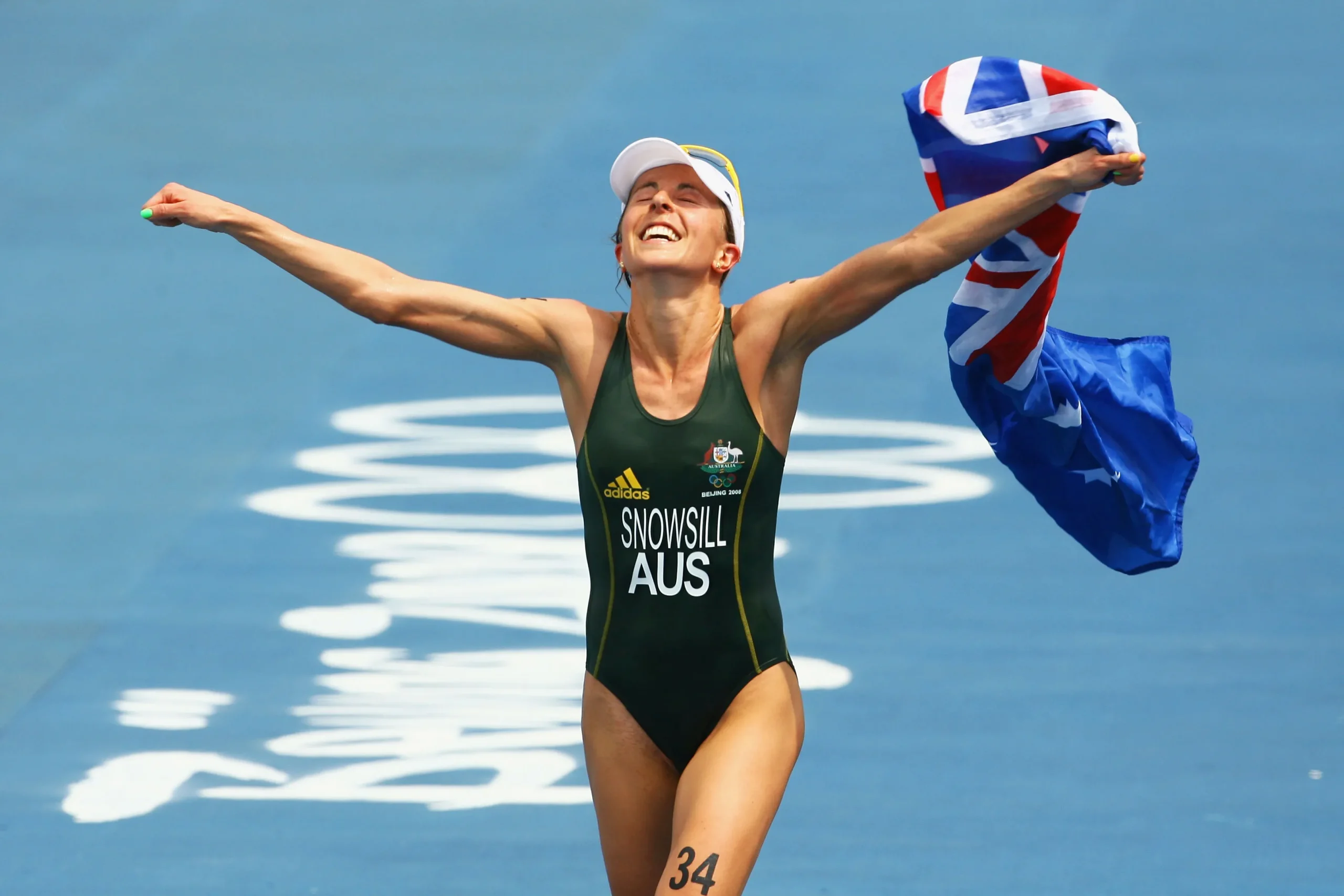
The Unyielding Spirit of Female Triathletes: Iron Women

pascalaubier.com – In the world of endurance sports, triathlon stands as a formidable challenge, demanding strength, stamina, and an unwavering spirit. Among the athletes who take on this ultimate test of human endurance are the Iron Women—female triathletes who push the boundaries of what is physically possible. These athletes are not just competitors; they are pioneers, breaking barriers and inspiring others to embrace their own potential for greatness.

The journey of a female triathlete is one of resilience and determination. It begins with the decision to take on a sport that requires mastery over three distinct disciplines: swimming, cycling, and running. The distances vary, from sprint triathlons to the grueling Ironman distance, which consists of a 2.4-mile swim, a 112-mile bike ride, and a full marathon run of 26.2 miles, all completed in one day. The physical and mental demands are immense, yet the Iron Women rise to the challenge with grace and grit.

The history of female triathletes is marked by trailblazers who have fought for recognition and equality in the sport. It was not until 1981 that women were officially allowed to compete in the Ironman World Championship in Hawaii. Since then, female triathletes have not only participated but have dominated the sport, setting records and inspiring future generations.

One of the most iconic figures in the world of female triathlon is Paula Newby-Fraser, a six-time Ironman World Champion. Her achievements have paved the way for other women to pursue their dreams in the sport. Today, athletes like Daniela Ryf, who has won the Ironman World Championship multiple times, continue to push the limits of what is possible, setting new benchmarks in performance and inspiring countless others to follow in their footsteps.

The world of female triathletes is diverse, encompassing athletes of all ages and backgrounds. From age-groupers balancing training with full-time jobs and family responsibilities to professional athletes who dedicate their lives to the sport, each woman brings her own unique story to the race. They train through the early mornings and late evenings, juggle work and family commitments, and overcome injuries and setbacks, all while striving to be the best version of themselves.

The community of female triathletes is also a testament to the power of support and camaraderie. Despite the competitive nature of the sport, there is a strong sense of sisterhood among athletes. They share training tips, offer encouragement, and celebrate each other’s successes. This supportive network is crucial, as it provides a foundation of strength and motivation that helps athletes push through the toughest moments of their journey.

The impact of female triathletes extends beyond their athletic achievements. They are role models for women and girls everywhere, demonstrating that with hard work, dedication, and perseverance, any goal is within reach. They challenge societal norms and expectations, proving that women are capable of incredible feats of strength and endurance.

In recent years, the visibility and recognition of female triathletes have grown, thanks in part to social media and advocacy for gender equality in sports. This increased visibility has helped to inspire more women to take up the sport, contributing to a growing community of Iron Women around the world.

As the sport continues to evolve, the legacy of female triathletes will undoubtedly continue to inspire future generations. Their stories of determination, resilience, and success serve as a reminder that the human spirit, when fueled by passion and purpose, is capable of achieving extraordinary things.

In conclusion, the world of female triathletes is a testament to the strength and endurance of the human spirit. These Iron Women are not just athletes; they are heroes, breaking barriers and setting new standards for what it means to be strong, both physically and mentally. Their journey is a powerful narrative of empowerment, one that encourages us all to embrace our own challenges and to strive for greatness, no matter the obstacles we may face.
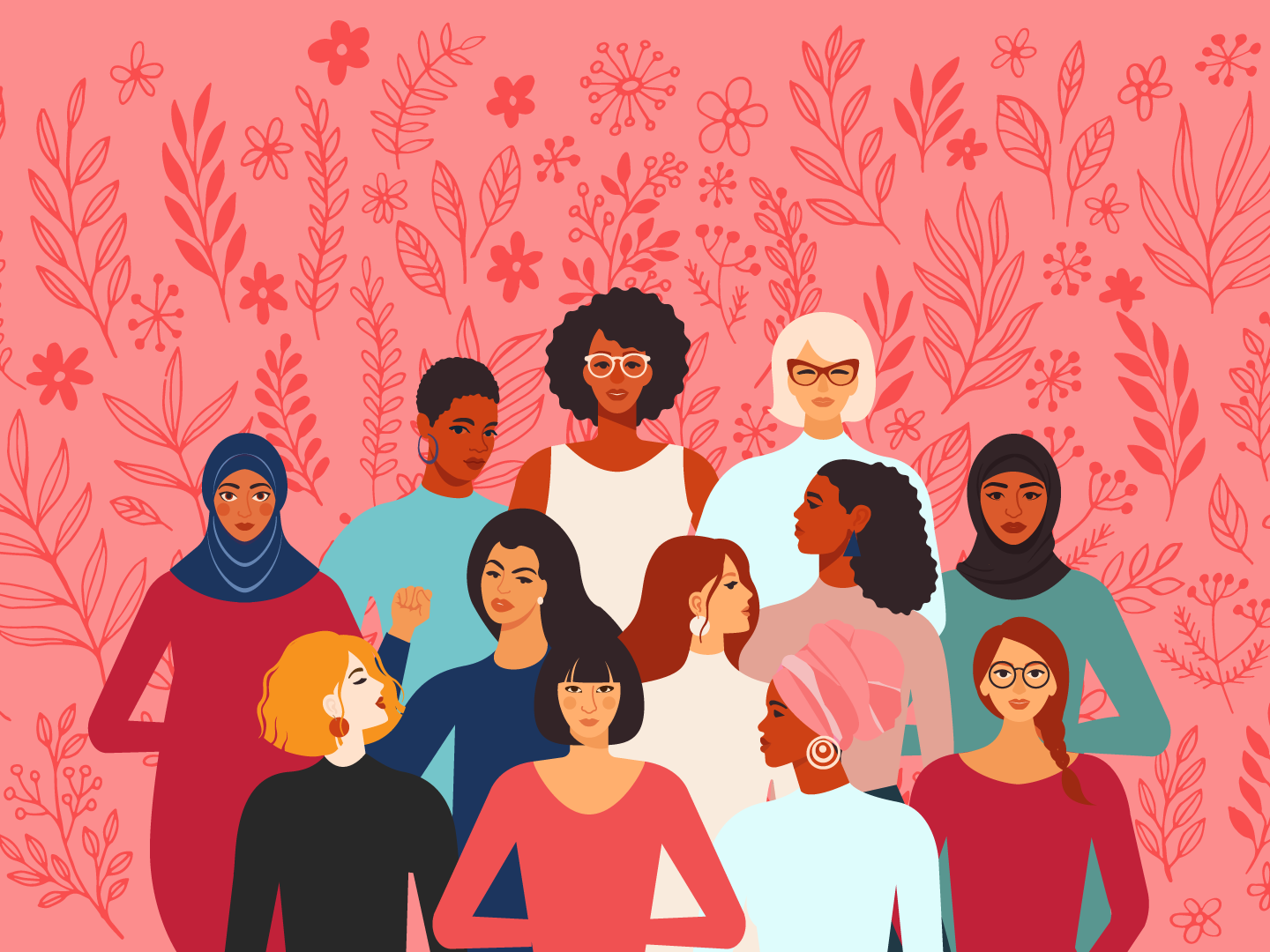
Female and Art: Celebrating Women Artists and Their Work

Art has long been a reflection of society, capturing its triumphs, struggles, and transformations. Women, as much as men, have played a crucial role in shaping the artistic landscape throughout history. Yet, their contributions have often been overlooked or undervalued. Today, we celebrate the achievements of female artists, recognize their extraordinary talent, and acknowledge their indelible impact on the world of art.

Historical Context

For centuries, societal norms and gender biases restricted women’s access to formal artistic training and professional opportunities. Despite these barriers, many women persisted, creating remarkable works of art that challenged conventions and expanded the boundaries of creativity.

Early Pioneers

In the Renaissance era, female artists like Artemisia Gentileschi and Sofonisba Anguissola broke through the barriers of their time. Gentileschi, known for her powerful and often dramatic paintings, tackled themes of female strength and resilience. Anguissola, a court painter for Philip II of Spain, gained international acclaim for her skillful portraits.

The 19th Century and Beyond

The 19th century saw a gradual shift as more women gained access to art education. Berthe Morisot and Mary Cassatt became leading figures in the Impressionist movement, bringing a unique perspective to the depiction of everyday life. Their works, characterized by soft brushstrokes and a focus on domestic scenes, provided a counterpoint to the predominantly male-dominated art world.

The 20th Century: Breaking Barriers

The 20th century marked a significant period of change for female artists. The suffrage movement and the subsequent wave of feminist activism empowered women to demand equal recognition in all fields, including art.

Modern and Abstract Art

Artists like Georgia O’Keeffe and Frida Kahlo emerged as pioneers of modern and abstract art. O’Keeffe’s large-scale paintings of flowers and southwestern landscapes challenged traditional representations of femininity, while Kahlo’s deeply personal and often surreal works explored themes of identity, pain, and resilience.

Photography and Sculpture

In the realm of photography, Dorothea Lange’s poignant images of the Great Depression and Diane Arbus’s striking portraits of marginalized individuals expanded the scope of documentary and portrait photography. In sculpture, artists like Louise Bourgeois and Barbara Hepworth created powerful works that explored complex themes of sexuality, family, and spirituality.

Contemporary Female Artists

Today, female artists continue to push the boundaries of creativity and expression. Their work spans a wide range of mediums and styles, reflecting the diversity and dynamism of contemporary art.

Notable Contemporary Artists

  • Yayoi Kusama: Known for her immersive installations and polka-dot motifs, Kusama’s work explores themes of infinity, self-obliteration, and mental health.
  • Cindy Sherman: Through her conceptual self-portraits, Sherman challenges notions of identity, gender, and the representation of women in media.
  • Kara Walker: Walker’s provocative silhouettes and installations confront issues of race, gender, and history, forcing viewers to engage with uncomfortable truths.

Emerging Talents

Emerging artists like Tschabalala Self, Toyin Ojih Odutola, and Shirin Neshat are gaining recognition for their innovative approaches and powerful storytelling. Their works, often rooted in personal and cultural narratives, offer fresh perspectives and challenge conventional norms.

The Importance of Recognition

Celebrating female artists and their work is not just about acknowledging their talent; it is about recognizing their contributions to the broader cultural and social discourse. By highlighting their achievements, we can inspire future generations of female artists and ensure that their voices continue to be heard.

Supporting Female Artists

  • Exhibitions and Galleries: Institutions can play a crucial role by dedicating exhibitions and gallery space to female artists, both historical and contemporary.
  • Education and Mentorship: Providing educational opportunities and mentorship programs for young female artists can help nurture their talent and pave the way for their success.
  • Public Awareness: Promoting awareness through media coverage, publications, and online platforms can help bring the work of female artists to a wider audience.

Conclusion

The story of women in art is one of resilience, creativity, and transformation. From the early pioneers who defied societal norms to the contemporary artists who continue to break new ground, female artists have made an indelible mark on the world of art. By celebrating their work, we not only honor their contributions but also inspire future generations to continue pushing the boundaries of artistic expression.