Force to Be Reckoned With in Women’s Basketball: Elena Delle Donne

pascalaubier.com – Elena Delle Donne, born September 5, 1989, in Wilmington, Delaware, is a name that resonates with excellence and resilience in the world of women’s basketball. Standing at 6 feet 5 inches tall, Delle Donne has not only made a mark with her impressive height but also with her remarkable skills, leadership, and determination on the court. Her journey from a high school phenom to a professional basketball player is a testament to her hard work and dedication to the game.

Early Life and Career Beginnings

Delle Donne’s basketball journey began at Ursuline Academy in Wilmington, where she quickly became a standout player. Her high school career was nothing short of spectacular, earning her numerous accolades, including being named the Gatorade National Player of the Year in 2008. After graduating, she committed to the University of Delaware, where she continued to shine, leading the Blue Hens to new heights in college basketball.

Professional Career

Elena Delle Donne’s professional career began in 2013 when she was drafted second overall by the Chicago Sky in the WNBA Draft. Her transition to the professional league was seamless, and she quickly became one of the league’s top players. In 2015, Delle Donne had a breakout season, leading the league in scoring and earning her first of several WNBA All-Star selections.

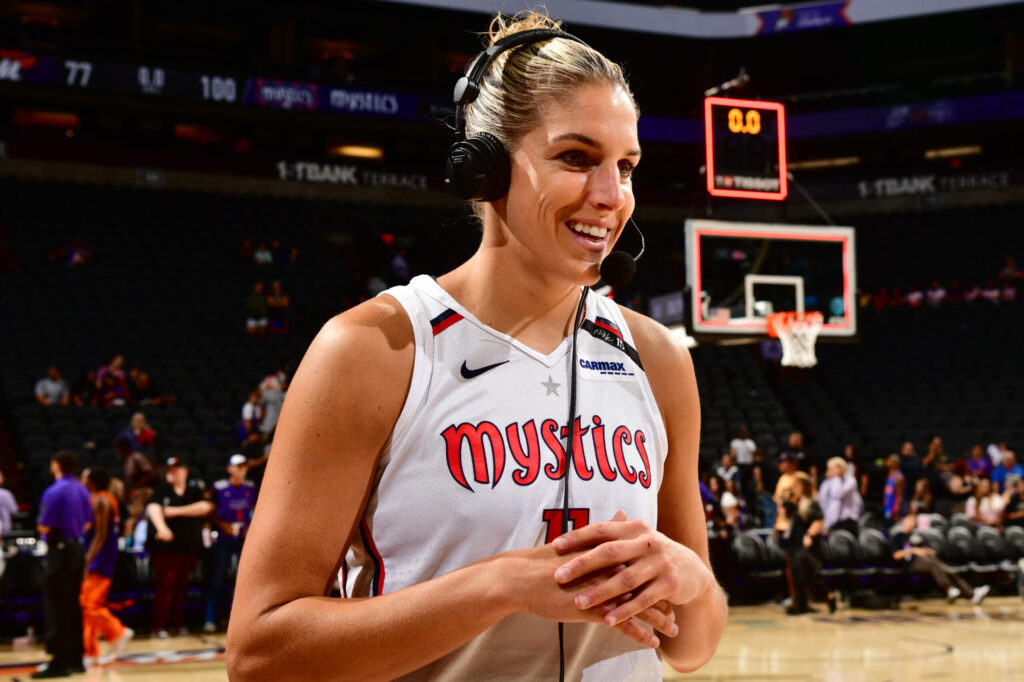
In 2017, Delle Donne was traded to the Washington Mystics, where she continued to dominate. Her leadership and scoring ability were instrumental in leading the Mystics to their first WNBA Championship in 2019. Delle Donne was named the WNBA Finals MVP, capping off a remarkable season and solidifying her legacy as one of the greatest players in WNBA history.

Overcoming Adversity

Throughout her career, Delle Donne has faced numerous challenges, including dealing with Lyme disease and other health issues. Despite these setbacks, she has remained resilient, using her platform to raise awareness about Lyme disease and other health issues. Her advocacy work off the court is as impressive as her achievements on it.

Legacy and Impact

Elena Delle Donne’s impact on women’s basketball extends beyond her impressive statistics and championship titles. She has inspired countless young athletes with her work ethic, determination, and positive attitude. Her advocacy for health issues and her commitment to giving back to the community make her a role model both on and off the court.

As Delle Donne continues to excel in her career, her legacy as a force to be reckoned with in women’s basketball is cemented. Her journey from a high school phenom to a WNBA champion is a story of perseverance, talent, and the relentless pursuit of excellence. Elena Delle Donne is not just a basketball player; she is an inspiration to many, proving that with hard work and determination, anything is possible.


The Unyielding Spirit of Female Triathletes: Iron Women

pascalaubier.com – In the world of endurance sports, triathlon stands as a formidable challenge, demanding strength, stamina, and an unwavering spirit. Among the athletes who take on this ultimate test of human endurance are the Iron Women—female triathletes who push the boundaries of what is physically possible. These athletes are not just competitors; they are pioneers, breaking barriers and inspiring others to embrace their own potential for greatness.

The journey of a female triathlete is one of resilience and determination. It begins with the decision to take on a sport that requires mastery over three distinct disciplines: swimming, cycling, and running. The distances vary, from sprint triathlons to the grueling Ironman distance, which consists of a 2.4-mile swim, a 112-mile bike ride, and a full marathon run of 26.2 miles, all completed in one day. The physical and mental demands are immense, yet the Iron Women rise to the challenge with grace and grit.

The history of female triathletes is marked by trailblazers who have fought for recognition and equality in the sport. It was not until 1981 that women were officially allowed to compete in the Ironman World Championship in Hawaii. Since then, female triathletes have not only participated but have dominated the sport, setting records and inspiring future generations.

One of the most iconic figures in the world of female triathlon is Paula Newby-Fraser, a six-time Ironman World Champion. Her achievements have paved the way for other women to pursue their dreams in the sport. Today, athletes like Daniela Ryf, who has won the Ironman World Championship multiple times, continue to push the limits of what is possible, setting new benchmarks in performance and inspiring countless others to follow in their footsteps.

The world of female triathletes is diverse, encompassing athletes of all ages and backgrounds. From age-groupers balancing training with full-time jobs and family responsibilities to professional athletes who dedicate their lives to the sport, each woman brings her own unique story to the race. They train through the early mornings and late evenings, juggle work and family commitments, and overcome injuries and setbacks, all while striving to be the best version of themselves.

The community of female triathletes is also a testament to the power of support and camaraderie. Despite the competitive nature of the sport, there is a strong sense of sisterhood among athletes. They share training tips, offer encouragement, and celebrate each other’s successes. This supportive network is crucial, as it provides a foundation of strength and motivation that helps athletes push through the toughest moments of their journey.

The impact of female triathletes extends beyond their athletic achievements. They are role models for women and girls everywhere, demonstrating that with hard work, dedication, and perseverance, any goal is within reach. They challenge societal norms and expectations, proving that women are capable of incredible feats of strength and endurance.

In recent years, the visibility and recognition of female triathletes have grown, thanks in part to social media and advocacy for gender equality in sports. This increased visibility has helped to inspire more women to take up the sport, contributing to a growing community of Iron Women around the world.

As the sport continues to evolve, the legacy of female triathletes will undoubtedly continue to inspire future generations. Their stories of determination, resilience, and success serve as a reminder that the human spirit, when fueled by passion and purpose, is capable of achieving extraordinary things.

In conclusion, the world of female triathletes is a testament to the strength and endurance of the human spirit. These Iron Women are not just athletes; they are heroes, breaking barriers and setting new standards for what it means to be strong, both physically and mentally. Their journey is a powerful narrative of empowerment, one that encourages us all to embrace our own challenges and to strive for greatness, no matter the obstacles we may face.

Tales of Power and Peril: Wicked Women

pascalaubier.com – Throughout history, the term “wicked women” has been a label applied to those who defy societal norms, challenge authority, or wield power in ways that unsettle the status quo. These women, often vilified or misunderstood, have stories that are rich with lessons about power, peril, and the complexities of human nature. Their tales are not just about wickedness in the traditional sense but about the strength, resilience, and audacity required to navigate a world that has often been hostile to women who dare to be different.

The Power of Defiance

One of the most striking aspects of these tales is the power of defiance. Women like Boudica, the queen of the British Celtic Iceni tribe who led an uprising against the occupying forces of the Roman Empire, exemplify the fierce determination to fight against oppression. Her story is a testament to the strength that can be found in resistance, even in the face of overwhelming odds. Boudica’s rebellion, though ultimately unsuccessful, became a symbol of resistance and the fight for freedom.

The Perils of Ambition

Ambition, when found in women, has often been viewed with suspicion or outright hostility. Figures like Catherine de Medici, the Italian noblewoman who became Queen Consort of France, navigated the treacherous waters of the French court with a level of ambition that was both admired and feared. Her involvement in political intrigue and the pursuit of power for her sons, while ensuring the stability of the French throne, also earned her a reputation as a wicked woman. Catherine’s life illustrates the perils that ambitious women face, as their actions are often scrutinized and judged more harshly than those of their male counterparts.

The Complexity of Leadership

Leadership, especially in times of crisis, has been another arena where women labeled as wicked have shown remarkable prowess. Joan of Arc, the French heroine who led the French army to victory over the English at OrlĂ©ans, is a prime example. Her conviction, courage, and leadership qualities were instrumental in turning the tide of the Hundred Years’ War. Yet, her unwavering belief in her divine mission and her refusal to conform to traditional female roles led to her being tried and executed as a heretic. Joan’s story is a poignant reminder of the complexities of leadership and the sacrifices that come with it.

The Legacy of Wicked Women

The legacy of these so-called wicked women is a mixed one. On one hand, their stories have been used to instill fear or serve as cautionary tales about the dangers of women wielding power. On the other hand, their lives and achievements have inspired countless others to challenge the status quo, fight for their beliefs, and pursue their ambitions regardless of the obstacles they face.

In contemporary times, the narrative around these women is shifting. There is a growing recognition of the complexity of their lives and the contributions they have made to history. They are increasingly seen not just as wicked, but as powerful, perilous, and profoundly human figures whose stories offer valuable insights into the struggles and triumphs of women throughout the ages.

Conclusion

The tales of wicked women, with their themes of power and peril, are more than just stories of the past. They are mirrors reflecting the ongoing challenges faced by women in positions of power or those who dare to defy societal expectations. By exploring these narratives, we can gain a deeper understanding of the complexities of gender, power, and the human spirit. The legacy of these wicked women is a testament to the enduring strength and resilience of those who refuse to be confined by the limitations imposed upon them.

Women’s Stories of Survival and Triumph: Reclaiming Lives

In a world fraught with challenges, the journey of women who have faced adversity, survived, and triumphed is a testament to the indomitable human spirit. These stories, often overlooked or underappreciated, are beacons of hope, resilience, and the relentless pursuit of a better life. This article delves into the lives of women who have reclaimed their destinies, overcoming obstacles that would have deterred many, to inspire and empower others.

The Path to Survival

Survival, in its essence, is about enduring through the toughest times. For many women, this has meant facing and overcoming domestic violence, poverty, discrimination, and health crises. These challenges, while daunting, have not been insurmountable. Through support networks, therapy, and sheer willpower, women have found the strength to take the first step towards a new life.

Take, for instance, the story of Maria, a woman who escaped an abusive marriage with nothing but her children and the clothes on their backs. With the help of a local women’s shelter, she found safety, counseling, and eventually, the courage to rebuild her life. Today, Maria is a successful entrepreneur, running a business that not only supports her family but also provides employment to other women in her community.

The Journey to Triumph

Triumph, however, is not just about surviving; it’s about thriving. It’s about turning pain into power and using one’s experiences to create positive change. Women like Malala Yousafzai, who, after being shot by the Taliban for advocating for girls’ education, went on to win the Nobel Peace Prize and become a global advocate for education rights, exemplify this spirit.

Closer to home, there are countless stories of women who have turned their struggles into platforms for change. Consider the story of Sarah, a survivor of human trafficking who now runs an NGO dedicated to rescuing and rehabilitating other survivors. Through her work, Sarah has not only reclaimed her own life but is also helping others do the same.

The Power of Community

These stories of survival and triumph would not be possible without the support of communities. Whether it’s through local shelters, online forums, or advocacy groups, women have found strength in numbers. The power of community lies in the shared experiences, the collective wisdom, and the mutual support that enable women to rise above their circumstances.

A Call to Action

As we celebrate these stories of resilience, it’s important to remember that there are still many women out there who are struggling. It’s our collective responsibility to support them, to amplify their voices, and to create a world where every woman has the opportunity to reclaim her life and achieve her full potential.

Conclusion

The stories of women who have survived and triumphed over adversity are not just tales of individual success; they are narratives of collective strength and hope. They remind us of the power of perseverance, the importance of community, and the endless possibilities that lie ahead when we support one another. Let us continue to uplift these voices, celebrate these victories, and work towards a future where every woman can reclaim her life and thrive.

Breaking Barriers and Empowering Players: Women’s Football

Women’s football, or soccer as it’s known in some parts of the world, has been on a remarkable journey of growth and empowerment over the past few decades. Once considered a niche sport, it has now become a global phenomenon, captivating audiences and inspiring young athletes around the world. This transformation is not just about the game itself but also about the cultural and societal barriers that women footballers have been breaking down, paving the way for future generations.

Breaking Barriers

The journey of women’s football has been marked by numerous challenges, from societal prejudices to institutional neglect. In the early days, women were often discouraged from playing, with some football associations even banning the sport for women. Despite these obstacles, pioneering players and advocates fought tirelessly to keep the game alive. Their perseverance laid the foundation for the modern era of women’s football, where the sport is celebrated and supported.

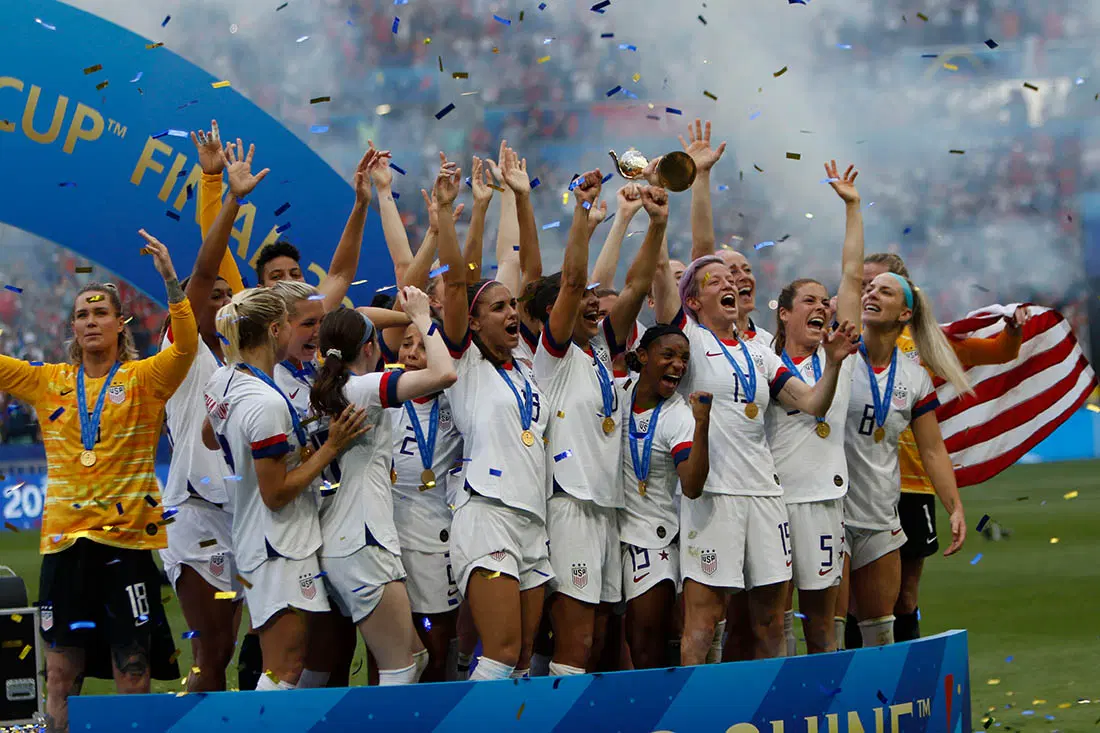
One of the most significant barriers that women’s football has faced is the lack of visibility and media coverage. However, recent major tournaments, such as the FIFA Women’s World Cup and the Olympic Games, have been instrumental in changing this narrative. These events have showcased the skill, passion, and competitiveness of women’s football, attracting millions of viewers and fans worldwide.

Empowering Players

The empowerment of women through football is not just about the game on the pitch; it’s also about the impact off the pitch. Women’s football has become a platform for challenging gender stereotypes and promoting gender equality. Players like Megan Rapinoe, Alex Morgan, and Marta have become icons, not only for their sporting achievements but also for their advocacy for LGBTQ+ rights, gender equality, and social justice.

Moreover, the growth of women’s football has led to increased investment and professional opportunities for players. Higher wages, better training facilities, and full-time contracts are becoming more common, allowing players to focus on their careers and improve their performance. This professionalization has also opened doors for women in coaching, management, and administration roles within the sport.

The Future is Bright

The future of women’s football looks brighter than ever. With continued investment, support from governing bodies, and the passion of its players and fans, the sport is poised for even greater success. The introduction of professional leagues around the world, such as the NWSL in the United States, the FA Women’s Super League in England, and others in Europe, Australia, and Asia, is creating a more competitive and exciting environment for players and fans alike.

Furthermore, the visibility of women’s football is expected to grow with the introduction of new tournaments and the expansion of existing ones. The FIFA Women’s World Cup, for example, is set to expand to 32 teams by 2023, mirroring the men’s tournament. This decision reflects the increasing importance and popularity of women’s football on the global stage.

Conclusion

Women’s football has come a long way from its early days of struggle and neglect. Today, it stands as a beacon of empowerment and equality, breaking down barriers and inspiring change. The journey of women’s football is a testament to the power of perseverance, the importance of equality, and the universal appeal of the beautiful game. As the sport continues to grow and evolve, it will undoubtedly continue to empower players and change lives, both on and off the pitch.

Female and Art: Celebrating Women Artists and Their Work

Art has long been a reflection of society, capturing its triumphs, struggles, and transformations. Women, as much as men, have played a crucial role in shaping the artistic landscape throughout history. Yet, their contributions have often been overlooked or undervalued. Today, we celebrate the achievements of female artists, recognize their extraordinary talent, and acknowledge their indelible impact on the world of art.

Historical Context

For centuries, societal norms and gender biases restricted women’s access to formal artistic training and professional opportunities. Despite these barriers, many women persisted, creating remarkable works of art that challenged conventions and expanded the boundaries of creativity.

Early Pioneers

In the Renaissance era, female artists like Artemisia Gentileschi and Sofonisba Anguissola broke through the barriers of their time. Gentileschi, known for her powerful and often dramatic paintings, tackled themes of female strength and resilience. Anguissola, a court painter for Philip II of Spain, gained international acclaim for her skillful portraits.

The 19th Century and Beyond

The 19th century saw a gradual shift as more women gained access to art education. Berthe Morisot and Mary Cassatt became leading figures in the Impressionist movement, bringing a unique perspective to the depiction of everyday life. Their works, characterized by soft brushstrokes and a focus on domestic scenes, provided a counterpoint to the predominantly male-dominated art world.

The 20th Century: Breaking Barriers

The 20th century marked a significant period of change for female artists. The suffrage movement and the subsequent wave of feminist activism empowered women to demand equal recognition in all fields, including art.

Modern and Abstract Art

Artists like Georgia O’Keeffe and Frida Kahlo emerged as pioneers of modern and abstract art. O’Keeffe’s large-scale paintings of flowers and southwestern landscapes challenged traditional representations of femininity, while Kahlo’s deeply personal and often surreal works explored themes of identity, pain, and resilience.

Photography and Sculpture

In the realm of photography, Dorothea Lange’s poignant images of the Great Depression and Diane Arbus’s striking portraits of marginalized individuals expanded the scope of documentary and portrait photography. In sculpture, artists like Louise Bourgeois and Barbara Hepworth created powerful works that explored complex themes of sexuality, family, and spirituality.

Contemporary Female Artists

Today, female artists continue to push the boundaries of creativity and expression. Their work spans a wide range of mediums and styles, reflecting the diversity and dynamism of contemporary art.

Notable Contemporary Artists

  • Yayoi Kusama: Known for her immersive installations and polka-dot motifs, Kusama’s work explores themes of infinity, self-obliteration, and mental health.
  • Cindy Sherman: Through her conceptual self-portraits, Sherman challenges notions of identity, gender, and the representation of women in media.
  • Kara Walker: Walker’s provocative silhouettes and installations confront issues of race, gender, and history, forcing viewers to engage with uncomfortable truths.

Emerging Talents

Emerging artists like Tschabalala Self, Toyin Ojih Odutola, and Shirin Neshat are gaining recognition for their innovative approaches and powerful storytelling. Their works, often rooted in personal and cultural narratives, offer fresh perspectives and challenge conventional norms.

The Importance of Recognition

Celebrating female artists and their work is not just about acknowledging their talent; it is about recognizing their contributions to the broader cultural and social discourse. By highlighting their achievements, we can inspire future generations of female artists and ensure that their voices continue to be heard.

Supporting Female Artists

  • Exhibitions and Galleries: Institutions can play a crucial role by dedicating exhibitions and gallery space to female artists, both historical and contemporary.
  • Education and Mentorship: Providing educational opportunities and mentorship programs for young female artists can help nurture their talent and pave the way for their success.
  • Public Awareness: Promoting awareness through media coverage, publications, and online platforms can help bring the work of female artists to a wider audience.

Conclusion

The story of women in art is one of resilience, creativity, and transformation. From the early pioneers who defied societal norms to the contemporary artists who continue to break new ground, female artists have made an indelible mark on the world of art. By celebrating their work, we not only honor their contributions but also inspire future generations to continue pushing the boundaries of artistic expression.